As a consumer, you deserve transparency in whatever you put in your body.
Miracle Noodle believes wholeheartedly in the importance of knowing exactly what you're putting into your body, so we've partnered with the Non-GMO Project to ensure you have complete confidence in what you're eating. Non-GMO Project Verified Miracle Noodle uses only natural ingredients that are free of gluten and soy. Our products are for anyone looking for simple and better alternatives to traditional noodles and rice.
Miracle Noodle caters to your health, fulfillment and happiness. Take that bite guilt-free!
Spicy Miracle Ramen with Seared Kielbasa and Jammy Eggs
Every meal needs a little kick, and Spicy Miracle Ramen just might be your new favorite. Try this fun recipe with your family and friends!
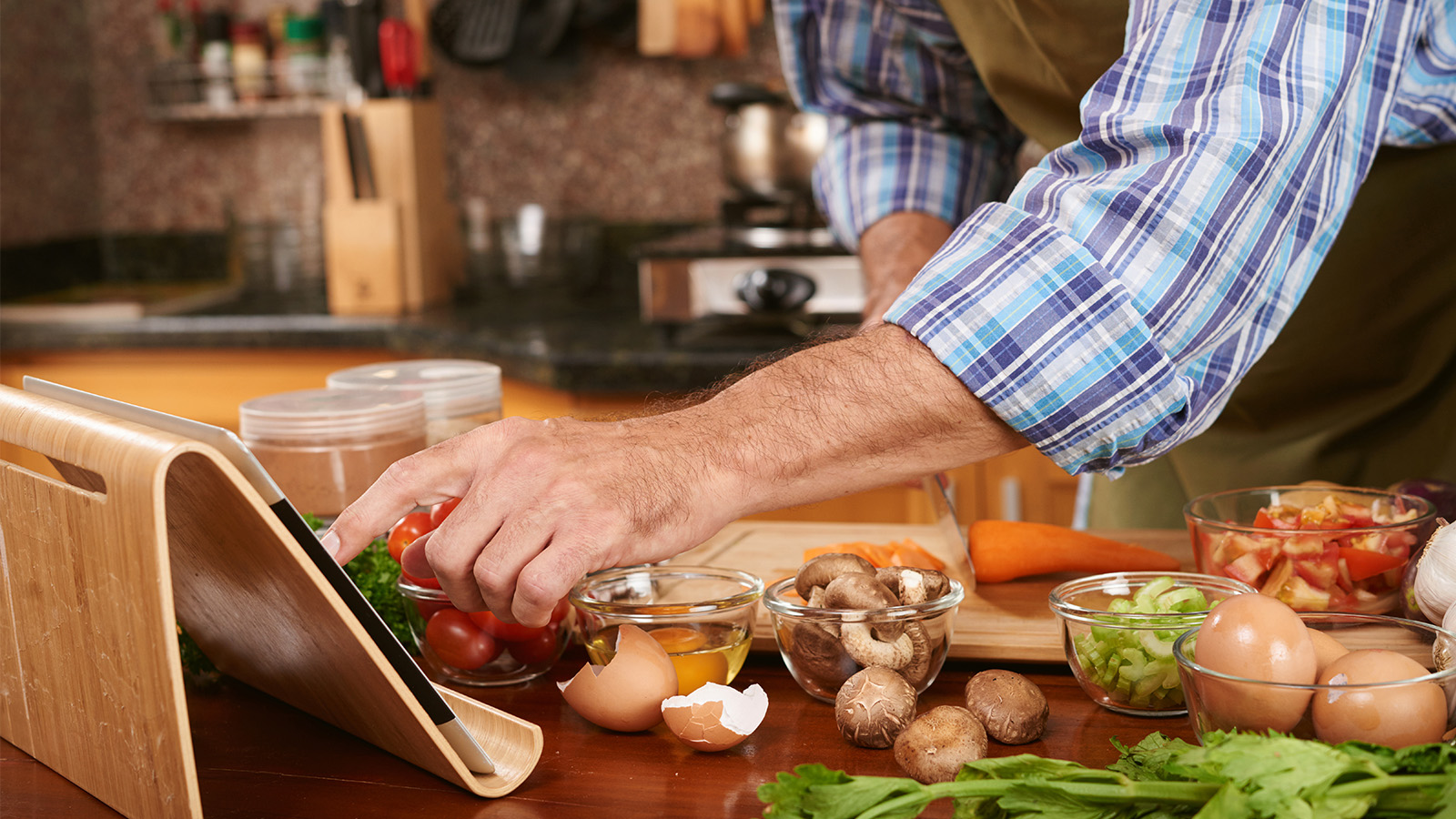
Prepare Miracle Noodles according to package directions. Set aside.
Sauté half a small onion diced in a little sesame oil and avocado oil. Add green onions with the dark green parts set aside.
Once the onions are soft, add minced garlic and ginger. Add a few teaspoons of Flavor God Everything Spicy Seasoning.
Sauté for a minute, then add Rao's Homemade Marinara Sauce. Mix that in, then let it heat through.
Put the sauce with onions, garlic and ginger in a blender till smooth.
Return blended sauce to the pot and add coconut aminos. Add a few chopped red dried chiles to give extra spice, then add 2-3 cups of chicken bone broth.
Bring to a boil and add Miracle Noodle Angel Hair. Let simmer for 10 minutes.
Squeeze some lime juice over the top and pour into two bowls.
In a pan, sear kielbasa is a bit of sesame oil.
Top with sliced jalapeño, kielbasa, lime wedge, green onions and a soft boiled egg.
Guest writer: This recipe was provided by guest contributor Heather Cox.
Winter is upon us. If you're tucked away in the Pacific Northwest corner of the States like I am, that means another 4-5 months of soup season. Days are short, rain is steady, and the bright, fruit-forward flavors of summer have faded into a distant, sultry memory. It’s the season of donning our waterproof shells and thick wooly socks. And, if you’re of the gardening variety, you’re in for a wholesome winter harvest of chicory, endives, radishes, swiss chard, rutabaga, mustard greens and leeks.
As winter deepens, our food preferences naturally and psychologically change with it. The human body is miraculously hardwired to crave and eat foods that keep us warm and full during colder months. With the outdoor grill turned off, we find ourselves gravitating towards our indoor crockpots and ovens. Our bodies are asking us, telling us, to eat with the seasons. To fuel up during the winter months, regulating our internal temperature with foods that warm and nourish us.
The key to local + seasonal
Tuning into the seasons allows us to engage with food in a deeper, richer way. This awareness also invites a rooted sense of place, where we become aware of and even celebrate the foods local to our geographic environments. And when you combine what’s seasonal with what’s local, you get the freshest flavor. This means a guarantee that your food didn’t take a cross-continental road trip (bolstered with preservatives) to arrive at your grocery store. It also means that your food bears witness to where you live, telling the story of local farmers and growers who are dedicated towards offering you the region’s hallmark, most natural flavors.
The garden’s ripest and brightest
It wasn’t until I booked a one-way ticket to Europe this past summer that I truly understood the significance of eating locally and seasonally. After months of exploring Swiss, Austrian, German, Dutch and Danish flavors, I spent September living with two vegan chefs in the heart of Tuscany’s Arezzo region. That's where I witnessed hyper-local and seasonally-expressive cuisine on display. We passed the early autumn days harvesting food from the garden, mushroom hunting and cooking meals that touted Tuscany’s best. The ripest and brightest ingredients were main characters in our shared meals, and whatever the garden lacked we sourced from local producers. It was a slow, intentional practice of place-ful eating. I learned to curb my cravings for non-regional foods, and enjoyed the (almost meditative) practice of eating what was available, seasonal, and true to the region.
Bold, regional flavor
The local-centric, seasonal lifestyle around food I witnessed in Tuscany (and a number of other European countries) struck a chord in me. I wanted to understand what made freshness the key ingredient to so many of the dishes and homemade meals I enjoyed, specifically in Italy. What I witnessed and learned is that authentic Italian cuisine involves simple ingredients, largely dictated by climate and natural landscape. The flavors emblematic of Italian food culture pay homage to regional accessibility and seasonal availability. You won’t find an Italian snacking on fresh tomato bruschetta in January, or cooking up zuppa di castagne e ceci (chestnut and chickpea soup) in July. When your main ingredients boast bold regional flavor, it’s about maximizing those ingredients and letting the food speak for itself.
Location laws and unruly food additives
Location plays such a critical role in Italian food production that Italy has passed a number of laws to protect the authenticity of products made in particular regions. And, speaking of laws, according to the New World Report, the European Food Safety Authority (EFSA) doesn’t allow additives in food production unless they’ve been proven to be unharmful to human consumption. The FDA has taken a different, more reactive approach in the States, where food additives are allowed into food production until they’re proven to be directly harmful to consumption. This means that food in the U.S. is not only likely to contain GMOs, but also foods rich in growth hormones and chemical preservatives to ensure a long shelf-life for our out-of-season eating habits and cravings. Not so in the larger European narrative around food, where (generally speaking) seasonal rhythms and locality play critical roles in the enjoyment of food closer to its origin and peak freshness.
Take it from the Italians – Eat local and seasonal foods
On one hand, prioritizing local and seasonal food products allows you to bypass highly processed foods that tend to be low in nutritional density. When food products are engineered to withstand time and travel, you can bet that nutritional saliency takes a hit. According to the Center for Food Safety, about 70-80% of processed foods in the U.S. contain GMOs. So, eating seasonally and buying locally-produced food as much as possible helps you shop with confidence, knowing that your food was made as nature intended, not bioengineered in a lab. You’re also reducing environmental impacts by choosing organic, non-GMO and local products. Less food transportation = lower carbon footprint. And, you’re keeping money in your local community by supporting producers and growers in your area. Finally, farm-fresh, locally grown food picked at peak ripeness is JAM-packed with flavor.
When it comes to winter in a maritime climate, we all need our seasonal survival strategies. Since leaving Tuscany’s warm, Mediterranean embrace and expressively fresh, regional cuisine, I’ve been seeking out ways to enjoy the winter harvest in my Pacific Northwest home climate. Knowing what’s in season has been the simplest way to add more local freshness to my diet. Italy’s winter harvest is actually very similar to that of the United States, with squash, mushrooms, cabbage, lentils, and clementine and mandarins in full bloom. Another method to access local, seasonal foods is through community supported agriculture (CSA) programs, where fresh produce is sourced from farmers local to your area. CSAs allow you to learn about fruits and veggies you may not have chosen at the grocery store, expanding your food horizons and palette preferences. And, winter farmers markets offer local and seasonal produce that’s readily available and assuredly delicious.
Escaping winter’s doldrums with fresh flavor
Even during these chilly months, there’s time to begin exploring a varied seasonal diet. Seasonally-bound and locally-based menus have the power to pull us from winter’s doldrums and feel connected to the place we’re in. Specifically in the Northwest, our seasonal rains and comparatively mild winters support cool-season crops even after the first frost. The winter harvest is robust and ready with flavor to nourish, sustain, and delight, even in the chilliest of seasons.
(Pro tip! Next summer, take a moment to remember the dark, languid days of winter ahead. Flash freeze your summer harvest of blueberries, strawberries, peaches and raspberries. Then, on a cold winter’s night when you need a zing of summer, whip out those frozen berries and make yourself a ripe, tart treat.)
*Photos courtesy of the author
Guest writer: Madi Burke. As a writer, explorer, and incessantly curious person, Madi Burke has always felt passionate about the natural world, our lived environments, and how to create more equitable systems that bring people closer to the nourishment and quality of life that comes with an integrated relationship to the earth. After receiving her undergraduate degree in sociology and speech communications, Madi went on to lead cycling trips in national parks, support nonprofit development, and now gets to help organizations tell their story as a freelance writer and brand manager.
At Zing, we’re celebrating our Non-GMO Project verification status! In addition to raising awareness about sustainable agricultural practices, we’re also excited to partner with like-minded brands to help educate consumers about the importance of choosing non-genetically modified foods.
Here at Zing, we pride ourselves on providing real, nutritious solutions for the entire family. We believe that food influences how you feel, and hope you find comfort in knowing that we choose organic, glyphosate-free oats. Our recipes do not contain non-nutritious oils, sugars or preservatives. All of our products are Non-GMO Project Verified because we believe our customers deserve the strongest certification for GMO avoidance.
Now let’s dive into this topic by answering a few FAQs!
What are GMOs?
GMOs = Genetically Modified Organisms. GMOs can refer to any living thing that has had their DNA altered through biotechnology. When it comes to GMOs, most of us tend to think of crops rather than all living things - but GMOs can refer to any plant, animal or organism whose DNA has been altered outside of the cell, or combined with the DNA of another species.
Why are we avoiding them?
The safety of GMOs is a complex subject. The majority of safety studies on GMOs are conducted by the same companies making the GMOs. Sketchy? We agree.
There are cases when the GMO modification process is used on microorganisms to create medicines and vaccines, which can be useful for medicinal development. Yet, when we refer to daily nutrition, the positivity shifts to uncertainty. In the absence of independent, long-term safety testing, the ultimate effects of consuming GMOs are unknown. At Zing, we're also concerned about the impacts of the pesticides that go hand-in-hand with many GMO crops.
What common GMO foods should we look out for?
Believe it or not, some well-known GMO foods include items you may be eating daily: corn, soy, squash, apples and potatoes — to name a few. Many farmers grow GMOs to make it easier to apply weedkiller or resist insects. Because GMOs are common in livestock feed, the Non-GMO Project Standard includes guidelines for ensuring livestock that supply eggs, dairy or meat receive non-GMO feed.
Why is the Butterfly label so important?
As we discussed, a “non-GMO” claim on food suggests that all ingredients were derived from plants, animals, or other organisms whose genetic material has not been altered through biotechnology. Unfortunately, a self-made“non-GMO” claim is not always trustworthy because it is not third-party verified.
Voluntary “non-GMO” labeling is acceptable to FDA, provided it is truthful and not misleading. FDA has guidance for manufacturers who voluntarily label their products as “non-GMO” which includes recommendations for ways to substantiate the claim. This is guidance, however, and is not legally enforced.
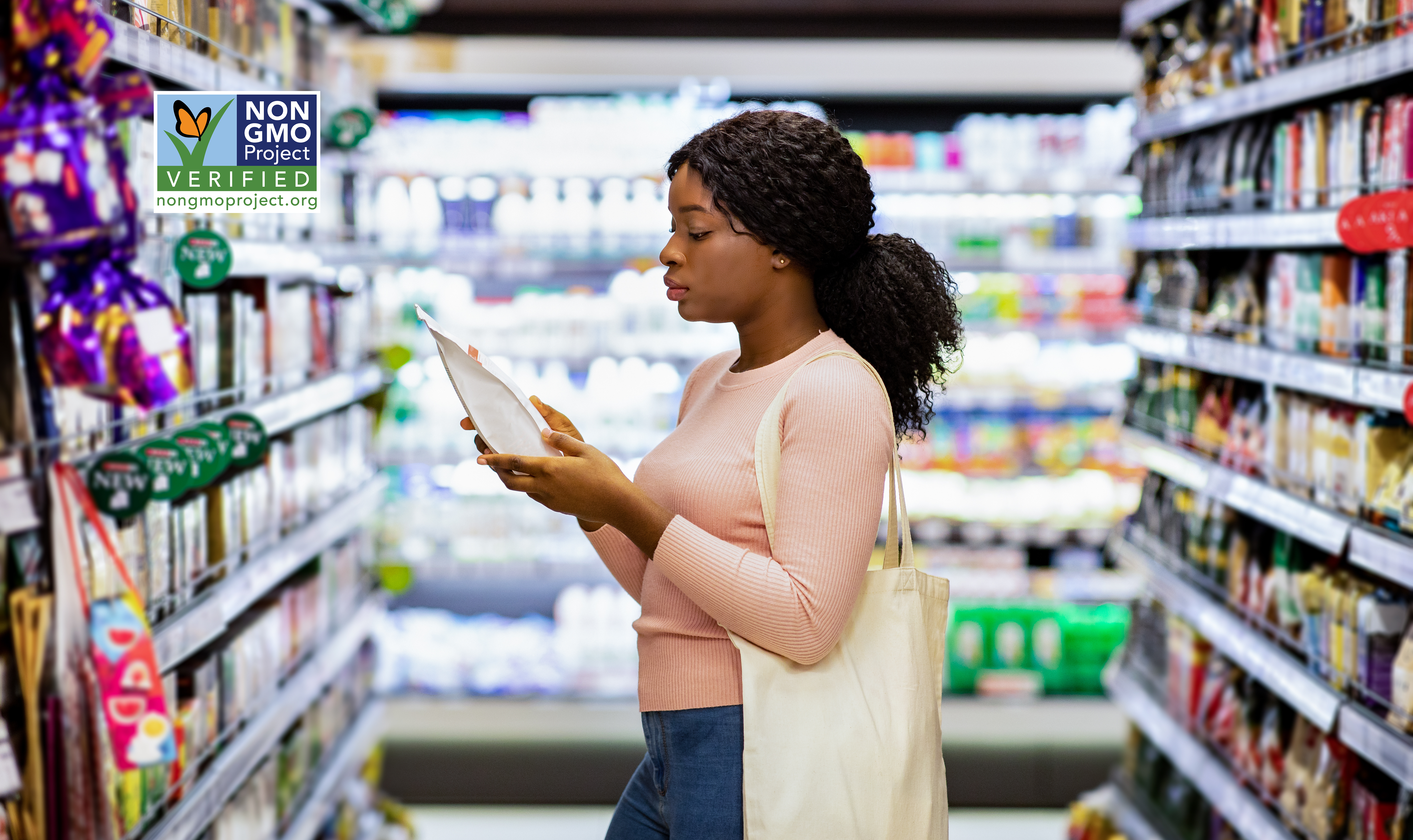
To ensure that your purchases are truly “non-GMO,” look for a third-party certification label like Non-GMO Project Verified or USDA Organic. Since 2007, the Butterfly label has helped millions of people find Non-GMO Project Verified products quickly and easily. The Butterfly is the leading third-party certification for GMO avoidance. To be Verified, each product goes through a thorough review process. Its major and minor ingredients are traced back through the supply chain — giving us (and you!) the most accurate information about the food you eat.
Why is non-GMO best for our planet?
Many GMO crops are grown in a chemical-rich environment that damages the soil, increases pollution and makes use of considerably more energy; which, in turn, causes a strain on the earth’s natural resources.
Support the Butterfly with us!
At Zing, we are committed to building a better food system, and bringing you the best possible products while we’re at it. Join us in celebrating non-GMO foods by seeking out products with theButterfly label at your local retailers!
By: Christie Lucas
If a consumer cares about GMOs in their food, they know they need to look for the Non-GMO Project’s butterfly. The certification is granted to products that meet a stringent set of regulations that ensure genetically modified or bioengineered ingredients are not included. Many products that are not required by federal law to label bioengineered ingredients are not eligible for Non-GMO Project verification.
This study pulls together SPINS point-of-sale data for both natural and multi-outlet stores for the 104 weeks ending Dec. 26, 2021. Across the board, the Non-GMO Project butterfly gave a large boost to sales growth.
In terms of dollar volumes, Non-GMO Project Verified frozen plant-based meats; frozen and refrigerated meat, poultry and seafood; and refrigerated eggs saw offerings with the butterfly grow far more than those products that simply billed themselves as non-GMO or had non-GMO labels.
Frozen and refrigerated meat, poultry and seafood products with the butterfly saw 52.5% sales growth, for example. Those that simply billed themselves as non-GMO saw 40.5% growth, and those without non-GMO labels grew 22.2%.
However, these results need to be looked at for what they are. There is still growth happening in products that aren’t trying to position themselves as non-GMO. Given the fact that more than 90% of U.S. corn and soybeans are produced using genetically modified varieties, according to the USDA, there are several existing products that cannot qualify for Non-GMO Project verification.
In the days that GMO labeling laws were being debated, it was estimated that 75% of grocery store products qualified as GMO. The breakdown may be different now, as more consumers are concerned with product labels and certifications. Large brands’ products that use GMO ingredients likely also saw huge sales during the last two years, especially during the early days of the COVID-19 pandemic, but the growth percentage might not have been as high as a smaller Non-GMO Project Verified product.
What the study does show is that Non-GMO Project Verified is a label certification that works. At the beginning of the year, as the requirement for foods made with bioengineered ingredients to be labeled was taking effect, researchers affiliated with Cornell University published a study that showed the power of the butterfly seal.
They designed the study to examine how mandatory GMO labeling impacted consumer purchases by looking at Vermont, which briefly enacted a state-specific labeling law. They found mandatory labeling had no pronounced effect on purchases, but that high-profile discussions about GMO products led to an uptick in sales for Non-GMO Project Verified items.
For brands looking to draw consumer interest, a Non-GMO Project Verified seal may do it, this study finds. And while the butterfly seems to work better than the USDA Organic seal, studies have shown that could be because consumers don’t really know what organic means. However, according to USDA requirements, products that become organic certified cannot use GMOs either. This study shows getting both certifications might be worth the cost.
Many of the processed foods that we see on grocery shelves today bear an ingredient label that says “artificially flavored.” Due to the prevalence of artificial additives in the marketplace, one of the questions we are asked most frequently from savvy shoppers is: “Why did I see the word artificial in the ingredients of a Non-GMO Project Verified product?”
Similar to how the word “modified” does not mean genetically modified when referring to modified corn starch or similar products, “artificial” does not inherently mean an ingredient is GMO. “Artificial flavor” is a term used by the United States Food and Drug Administration (FDA) to classify flavorings not found in nature or derived from natural elements (plants or animals). Artificial flavors are produced through synthesis in a lab to mimic the taste and chemical makeup of a natural counterpart. They are often used to cut costs for food producers. While this production process can be achieved without any genetic engineering—no GMOs required—some producers do choose to use GMOs.
It’s important to recognize that while artificial does not inherently classify ingredients as a GMO, some artificial ingredients do come from GMOs—especially GMO microorganisms. Those are the types of artificial ingredients that are addressed in the Non-GMO Project Standard.
Flavors are added to food primarily for their taste rather than nutritional value. Think of strawberry jam—while the strawberries in the jam are flavorful, they wouldn’t be considered a flavor in that product. However, in a product like strawberry gum,.strawberry would be considered a flavor because it is present solely for taste.
In the US, flavors are regulated by the FDA, which enforces the Food Additives and Amendment Act of 1958. Under this law, the FDA is responsible for ensuring the safety of new food additives, including flavors, before they can be used in food products.
The FDA categorizes flavorings as either natural (e.g., vanilla bean extract, almond extract), artificial (e.g., synthesized vanillin, benzaldehyde), or spices (e.g., basil, cumin seed, or paprika). While artificial flavors are those not derived from natural elements, natural flavors are the processed and concentrated form of the plant or animal they came from. Spices are simply dried vegetables with no added flavoring. Ingredients traditionally regarded as foods, like onions, garlic, and celery, must be separately disclosed on a product’s ingredient list because they are not considered spices by the FDA.
The next time you reach for that artificial vanilla flavor, Look for the Butterfly so you can be sure that product is non-GMO, right back to any microorganisms involved. Non-GMO Project Verified products are third-party tested and backed by our rigorous Standard to help take the guesswork out of shopping for you and your family.
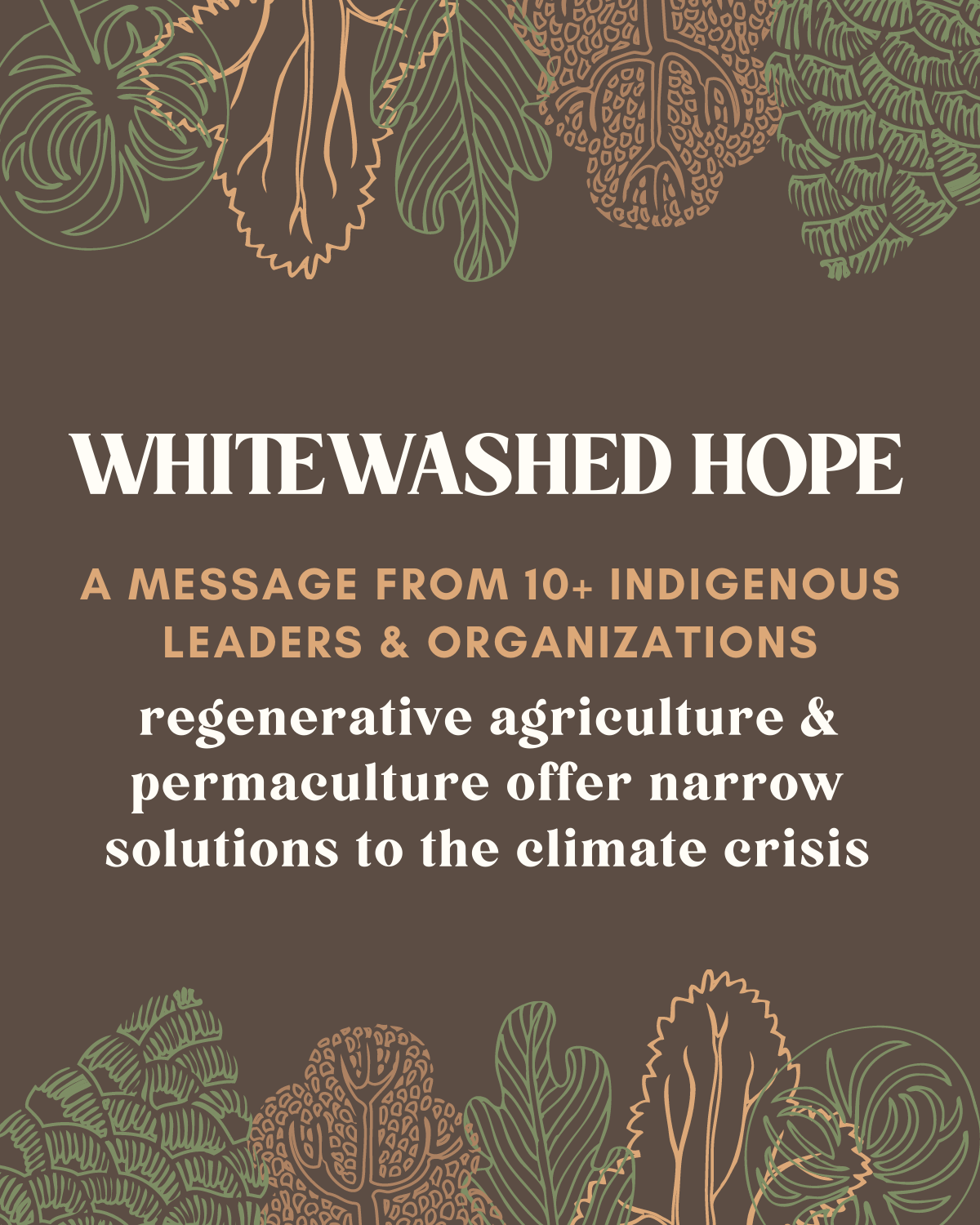
The following is a guest post courtesy of a group of Indigenous leaders and organizations (for a full list of contributors, see below). The Non-GMO Project is honored to share this content, which invites proponents of western ecological agriculture to go deeper — to not ‘take’ certain land practices from Indigenous cultures without their context, but to encompass deeper Indigenous worldviews.
Regenerative Agriculture & Permaculture offer narrow solutions to the climate crisis
Regenerative agriculture and permaculture claim to be the solutions to our ecological crises. While they both borrow practices from Indigenous cultures, critically, they leave out our worldviews and continue the pattern of erasing our history and contributions to the modern world.
While the practices 'sustainable farming' promote are important, they do not encompass the deep cultural and relational changes needed to realize our collective healing.
Where is ‘Nature’?
Regen Ag & Permaculture often talk about what's happening 'in nature': "In nature, soil is always covered.” “In nature, there are no monocultures." Nature is viewed as separate, outside, ideal, perfect. Human beings must practice “biomimicry” (the mimicking of life) because we exist outside of the life of Nature.
Indigenous peoples speak of our role AS Nature. (Actually, Indigenous languages often don't have a word for Nature, only a name for Earth and our Universe.) As cells and organs of Earth, we strive to fulfill our roles as her caregivers and caretakers. We often describe ourselves as "weavers", strengthening the bonds between all beings.
Death Doesn’t Mean Dead
Regen Ag & Permaculture often maintain the "dead" worldview of Western culture and science: Rocks, mountains, soil, water, wind, and light all start as "dead". (E.g., "Let's bring life back to the soil!" — implying soil, without microbes, is dead.) This worldview believes that life only happens when these elements are brought together in some specific and special way.
Indigenous cultures view the Earth as a communion of beings and not objects: All matter and energy is alive and conscious. Mountains, stones, water, and air are relatives and ancestors. Earth is a living being whose body we are all a part of. Life does not only occur when these elements are brought together; Life always is. No “thing” is ever dead; Life forms and transforms.
From Judgemental to Relational
Regen Ag & Permaculture maintain overly simplistic binaries through subscribing to good and bad. Tilling is bad; not tilling is good. Mulch is good; not mulching is bad. We must do only the ‘good’ things to reach the idealized, 99.9% biomimicked farm/garden, though we will never be as pure or good "as Nature", because we are separate from her.
Indigenous cultures often share the view that there is no good, bad, or ideal—it is not our role to judge. Our role is to tend, care, and weave to maintain relationships of balance. We give ourselves to the land: Our breath and hands uplift her gardens, binding our life force together. No one is tainted by our touch, and we have the ability to heal as much as any other lifeform.
Our Words Shape Us
Regen Ag & Permaculture use English as their preferred language no matter the geography or culture: You must first learn English to learn from the godFATHERS of this movement. The English language judges and objectifies, including words most Indigenous languages do not: 'natural, criminal, waste, dead, wild, pure…' English also utilizes language like "things" and "its" when referring to “non-living, subhuman entities”.
Among Indigenous cultures, every language emerges from and is therefore intricately tied to place. Inuit people have dozens of words for snow and her movement; Polynesian languages have dozens of words for water's ripples. To know a place, you must speak her language. There is no one-size-fits-all, and no words for non-living or sub-human beings, because all life has equal value.
People are land. Holistic includes History.
Regen Ag and Permaculture claim to be holistic in approach. When regenerating a landscape, ‘everything’ is considered: soil health, water cycles, local ‘wildlife’, income & profit. ‘Everything’, however, tends to EXCLUDE history: Why were Indigenous homelands steal-able and why were our peoples & lands rape-able? Why were our cultures erased? Why does our knowledge need to be validated by ‘Science’? Why are we still excluded from your ‘healing’ of our land?
Among Indigenous cultures, people belong to land rather than land belonging to people. Healing of land MUST include healing of people and vice versa. Recognizing and processing the emotional traumas held in our bodies as descendants of assaulted, enslaved, and displaced peoples is necessary to the healing of land. Returning our rights to care for, harvest from, and relate to the land that birthed us is part of this recognition.
Composting
Regen Ag & Permaculture often share the environmentalist message that the world is dying and we must “save” it. Humans are toxic, but if we try, we can create a "new Nature" of harmony, though one that is not as harmonious as the "old Nature" that existed before humanity. Towards this mission, we must put Nature first and sacrifice ourselves for “the cause”.
Indigenous cultures often see Earth as going through cycles of continuous transition. We currently find ourselves in a cycle of great decomposition. Like in any process of composting there is discomfort and a knowing that death always brings us into rebirth. Within this great cycle, we all have a role to play. Recognizing and healing all of our own traumas IS healing Earth's traumas, because we are ONE.
Where to go from here?
Making up only 6.2% of our global population, Indigenous peoples steward 80% of Earth's biodiversity while managing over 25% of her land. Indigenous worldviews are the bedrocks that our agricultural practices & lifeways arise from. We invite you to ground your daily practices in these ancestral ways, as we jointly work towards collective healing.
Learn whose lands you live on (native-land.ca), their history, and how you can support their causes and cultural revitalization.
Watch @gatherfilm and Aluna documentary.
Amplify the voices and stories of Indigenous peoples and organizations.
Follow, support, donate to, and learn from the contributors to this post.
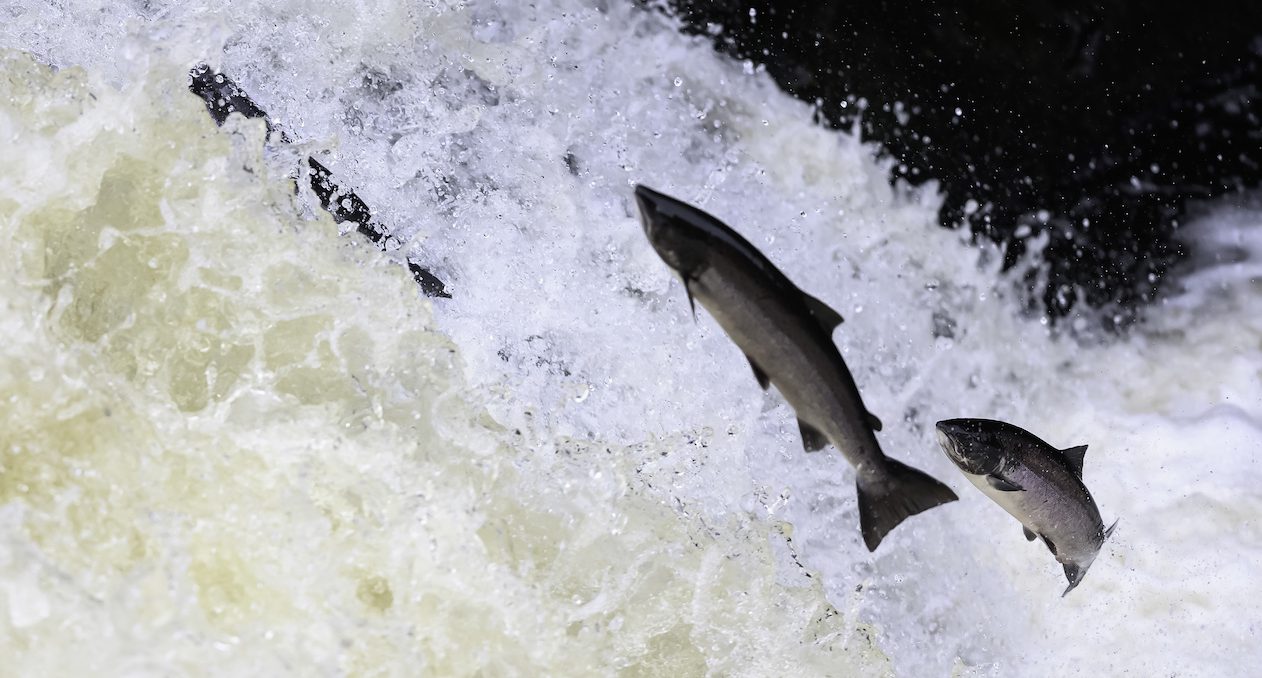
On March 8, the Food and Drug Administration (FDA) lifted its ban on the import of the genetically modified AquAdvantage salmon created by AquaBounty Technologies. The FDA initially approved this GMO for human consumption in 2015, but Congress required the FDA to halt imports of the fish until appropriate GMO labeling guidelines could be established.
The FDA announced that this congressional mandate has been fulfilled through the National Bioengineered Food Disclosure Standard (NBFDS), which requires the labeling of some GMOs at the federal level. AquAdvantage salmon is explicitly included in the USDA’s List of Bioengineered Foods. Now that GMO salmon will be labeled in the US, the FDA has given the go-ahead to import, raise, and sell GMO salmon.
AquaBounty hopes to have its GMO salmon on the market as soon as 2020. Since compliance with the NBFDS does not become mandatory until 2022, it is unclear whether AquaBounty would choose to label its salmon in the interim. This means it is possible that GMO salmon could be sold in the US without a GMO disclosure for two years. The Non-GMO Project will continue to monitor this situation as it develops.