Archive for the ‘Blog’ Category

Worth A Second Look: Monsanto’s GMO Corn Linked To Organ Failure

Monday, January 9th, 2012

Over the last couple of weeks, I’ve noticed the resurgence of a 2010 Huffington Post blog reviewing a study on GMO consumption and mammalian health. Conducted by the International Journal of Biological Sciences, the study shows major flaws in Monsanto’s interpretation of its own data from a 90-day feeding trial.

After seeing the post over and over on Facebook and Twitter, I got curious about it. Should we share it on the Non-GMO Project Facebook page again, even though it’s two years old? Just how important was this study? To find out, I emailed Dr. John Fagan, Ph.D, a molecular biologist and GMO expert. I asked him how valid the study was, and if it was worth another round of attention. His answer was a definitive “Yes.” Here’s what he had to say…

From: John Fagan
Date: Sun, 8 Jan 2012 23:46:27 +0100
To: Megan Westgate
Subject: Re: Monsanto’s GMO Corn Linked To Organ Failure, Study Reveals

Hi Megan,

This is an excellent study that was done by one of the best biosafety researchers on the planet.

The paper was a landmark study. Monsanto was forced by court to release raw data and Gilles-Eric Seralini and his team applied careful statistical methods that revealed the Monsanto had glossed over many important effects of the GMOs. In particular, Monsanto had used inappropriate criteria for judging whether results were biologically significant or not. A common case was that they rejected as biologically unimportant any effect that showed up in male animals or in female animals but was not observed in both. The fact is that sex related differences are common in physiological responses particularly in liver and kidney responses. Also, Monsanto rejected as biologically unimportant effects that were not proportional to dose. That is, if the effect was strong at low doses but weaker at high doses, they would reject the effect as biologically insignificant. Yet it is well known that many effects, especially endocrine effects, are stronger at low doses than at high.

The above are technical details; the key thing to understand is that Monsanto used very weak and scientifically invalid arguments to conclude that certain very important effects were not of biological significance and as a result could make the claim to regulators that there was no evidence that the GMOs under consideration were potentially harmful to people. Gilles-Eric reanalyzed Monsanto’s data and demonstrated very clearly that Monsanto had glossed over clear evidence of harm. The fact that Monsanto’s conclusions were accepted by EU and US regulators is strong evidence that the regulators are way too cooperative with Monsanto. Any scientist who reviewed the data would have seen the problems with these GMOs and should have raised questions regarding their approval. The fact that they didn’t indicates that they either had not done their job (they hadn’t carefully reviewed Monsanto’s data) or they knew there were problems and ignored them, preferring to please Monsanto rather than protect the public.

So it is GREAT that this paper is getting more play on the internet, Megan, and please do what you can do to amplify that effect. And feel free to use some or all of what I wrote above.

John

***

So there you have it—let’s keep that post going! So many people still don’t realize what a massive experiment Americans are subjected to every day when we sit down to eat. We’re one of the only developed nations without mandatory GMO labeling; most people around the world are wary of GMOs and don’t eat them. But here in the U.S., GMOs are now present in as much as 80% of our groceries. That’s pretty alarming when you look at studies like this and realize that there’s a good chance that GMOs are damaging our health in ways we still don’t fully understand.
In addition to helping spread the word about this study, here are two more ways you can take positive action:

  1. Tell the FDA to label GMOs
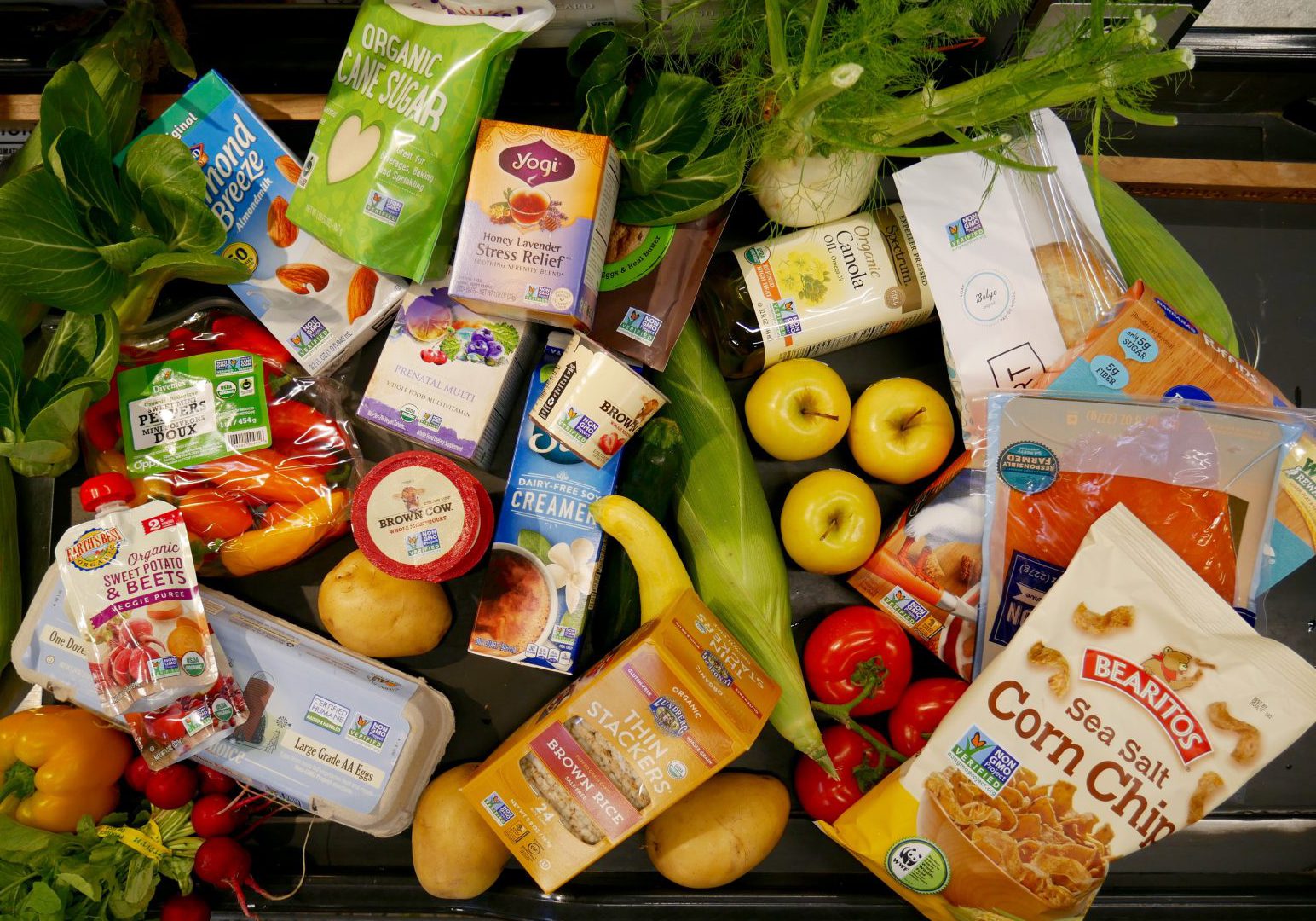
  2. Help maintain the non-GMO food supply; choose products that are Non-GMO Project Verified

We all have the right to know what we’re eating, and we deserve safe, healthy food!

–Megan Westgate
Non-GMO Project Executive Director


Happy Holidays!

Tuesday, December 20th, 2011

From L to R (Top Row) Program Assistant Dede, Dede's partner Rob, Outreach Coordinator Chris, Communications Manager Courtney, my husband Noah; (Bottom Row) New Intern John, puppy Bodhi, Courtney's daughter Sophia, me and the kitty.
What an amazing year this has been!
As you can see from the big smiles at our recent holiday potluck, we’re feeling joyful here at the Non-GMO Project. All the great food we’ve been sharing lately certainly has something to do with it (for inspiration, check out our new online recipe catalogue), but it’s not just that.

It’s been almost five years since we incorporated, and our strategy of using the marketplace to protect a non-GMO food supply is proving successful. With nearly 6,000 products now enrolled by 350 brands, participation in the Non-GMO Project has grown 50% since this same time last year. More shoppers than ever are seeking out non-GMO when they shop, and we recently hit the $1 billion mark in annual sales of Non-GMO Project Verified products.

This has real impact on the ground—as consumers submit product verification requests and more companies join the Project, we’re starting to hear stories of fields and facilities being transitioned back to non-GMO to meet the demand.

Meanwhile, some key complementary strategies are gaining traction in the movement at large. The California Right to Know Act for mandatory GMO labeling will be on the ballot in 2012, bringing an historic opportunity. On a national level, the Just Label It campaign has already generated over 400,000 signatures on a petition urging the FDA to mandate GMO labeling. Together, we’re aiming to reach 500,000 signatures by the end of the year, so if you haven’t signed yet, please do!

As we celebrate our successes and look forward to another productive year, what I am most inspired by is the commitment to the greater good that permeates this collaborative effort. Together, we are making a better world for our children, and there is no greater gift than that.

Wishing you and yours a wonderful holiday season.

–Megan Westgate, Non-GMO Project Executive Director

A Non-GMO Project Thanksgiving

Friday, November 18th, 2011

November sunset in Squalicum Valley, near Westgate's and Pineau's homes

Here in the far corner of Northwestern Washington, fall is beginning its transition into winter–the leaves are falling, the rains have begun, and the mountains are now blanketed in snow. Although winter is quickly approaching, the mild nature of our climate (yes, lots of rain, but mild nonetheless) means that the harvest is still coming in. And what better way to celebrate this bounty than with a Thanksgiving feast? A quick poll at the Non-GMO Project office easily designated Thanksgiving as one of our favorite holidays—admittedly, we are all garden-loving foodies who love nothing more than breaking bread with our nearest and dearest. In gratitude and celebration of the season, then, the Non-GMO Project would like to share some of our non-GMO Thanksgiving preparations and plans with you.


Megan Westgate, Executive Director

Executive Director Megan Westage at home with her husband Noah, cat Foxy and puppy Bodhi, a brand new addition who has earned the post of Farm Dog for their 5-acre homestead.

We have over 200 eggs in the house right now, so one thing our Thanksgiving is definitely going to include is recipes that call for eggs! After being vegan for 6 years in my 20s, many of my favorite holiday recipes are still ones that are free of animal products. But with 20 laying hens in the backyard just reaching maturity, and with no plan as of yet for what to do with the bounty (apparently friends, family, neighbors, kitties and puppy can only eat so many eggs), I can guarantee that this year’s pumpkin pies will not be made with tofu! In fact, I have already made egg-y Maple Pumpkin Pie twice this fall, and am looking forward to a few more next week.

We are blessed to live close to family, and will be celebrating Thanksgiving with Noah’s parents, brother, grandma, aunt and uncle. Noah was raised vegetarian, and the family’s traditional Thanksgiving meal centers around his mom’s delicious “nut loaf” rather than turkey. And then, since some of us do like turkey, we will have a second celebration at home on Friday, with a bird raised by young farmers at The Sandy Spade Farm in nearby Skagit County. Celebrating twice suits me well, partly because I was raised in two homes and it feels familiar to have every holiday at least a couple times. I also just have a lot to be grateful for. Our feast will include kabocha squash, kale, garlic and potatoes grown organically by Noah (with a little evening and weekend help from me) right here on our beautiful and pristine land in the Lake Whatcom watershed.

 We thank the Earth for happy hearts,
For rain and sunny weather.
We thank the Earth for this our food,
And that we are together.

 –Traditional Quaker grace (slightly modified); I grew up saying this in both households, and have since shared it with many circles of friends and family


Dedrian Clark, Outreach Coordinator

OK, admittedly, Rob and I seem to be one of those couples that, on occasion, have our hosts stressing over what they’re going to feed us! As vegetarians who eat mostly organic and non-gmo foods, it can seem a daunting challenge for those who don’t share our preferences. Fortunately, we both love to cook and take pleasure in providing additional dishes to complement our hosts’ menu.

Cascadia Mushrooms

Bellingham is blessed to be home to Cascadia Mushrooms, perfect for Dede's Vegetarian Gravy

One of our favorites to bring for Thanksgiving dinner is Vegetarian Gravy! It’s so good, our family and friends often prefer it over the more traditional recipes. To make: sauté 2-3 different kinds of diced mushrooms  like Crimini, Oyster and Portabellas (or whatever is available) with diced onions, celery and garlic; add rice or soy milk, miso, soy sauce, veg broth powder or liquid, and dry basil and simmer, salt and pepper to taste. We often throw some of the sauted mixture (especially mushroom stems) in a blender and use for thickening but leave some for a bit of a chunky style gravy. Potato starch can be added if more thickening is needed. And of course… the miso, soy sauce and soy milk are all Non-GMO Project Verified!  Yum!

Another great recipe this time of year and a nice addition to Thanksgiving dinner is Roasted Squash Soup.  Slice and roast 3 pounds of fresh, organic Acorn, Butternut and Spagetti squash, face down in a 400 degree oven until tender. In a saucepan, sauté  some onion and garlic in melted butter for 5 minutes or until tender; adding  1 T. minced ginger root and 1 t. curry -  cooking another minute or so. Add 2 chopped tart apples with 2/3 c sherry and cook until apples are tender. To finish, puree batches of the squash flesh and broth in a food processor or blender. Transfer the squash puree to a large saucepan. Puree the apple/sherry mixture and stir into pureed squash. Then heat over medium heat and season with salt, pepper and cayenne, to taste.  So delicious and what a fun way to share our favorite recipes!


Chris Keefe, Outreach Coordinator

Halloween, though still a delight, isn’t quite what it was when pillowcases and pranks were my M.O.  Christmas, for all of it’s heartfelt generosity, often feels too dressed-up-and-decked-out for my tastes.  But Thanksgiving… Talk to me about thanksgiving, and my heart beats faster.  My eyes light up.  I feel, suddenly, very sincere, very excited, and, well… deeply thankful.

The Bellingham Farmer's Market continues to provide amazing produce into the winter

It is easy, in this country, to take for granted the remarkable quality and quantity of food to which we have access.  The average American has over 3700 calories per day at their fingertips, and though many of those calories are found in somewhat questionable “foods,” a rapidly growing number of us have access to good, old-fashioned fruits and vegetables, available from our own home gardens, local farmers’ markets, and grocers committed to providing local, organic, non-GMO options.  It is with relish that I anticipate this year’s Thanksgiving shopping trip.  Home-made cranberry relish to be precise.

I will spend some time in Bellingham’s Community Food Coop and Terra Organica market, picking up fresh-milled organic flour, and the few spices I need to fill out my recipes.  I will cut the last surviving beet greens from my garden, and tromp through the farmers’ market grabbing carrots and potatoes, shallots and sunchokes and squash.  It will take some time, and some money, to find just the right ingredients, but every moment will be a pleasure.

This year, as every year, I will cook with gratitude in my heart, for my family and friends, and for the farmers, grocers, organizations, and like-minded shoppers in my community who have helped bring healthy, organic, non-GMO food to the people of Whatcom County.


Courtney Pineau, Communications Manager

True to the international reach of the Non-GMO Project, I already had the opportunity to celebrate Thanksgiving once back in October with my friends and family from Canada. However, having recuperated from that amazing meal, I look forward to round two of Thanksgiving next week with my parents, all six of my siblings, and all eight of the family dogs (yes, a passion for pooches seems to run in the family).

Apple pie

Lattice topped apple pie - so so good!

Traditionally, my mother has done most of the Thanksgiving cooking with me covering deserts. However, in the past several years two up and coming chefs have been making some awesome contributions to our family Thanksgiving. My brother David spent the past several years working in San Francisco at both A16 and Heirloom Cafe. Together, we can geek out on what type of mushrooms to put in the stuffing (my vote is chantrelles), the best wine to serve with dinner (he would say an old world wine with light to medium body), and how to make the best brussels sprouts (you can’t go wrong pan-frying with lots of butter and garlic). The other chef is my daughter Sophia, and man, can she bake a pie. Her lattice-topped apple pie is like a work of art!

I am so excited this year to combine Sophia’s amazing pie-making skills with my recent discovery of American native pecans. These beautiful little pecans are in Slow Food’s Ark of Taste and their delicate flavor and texture is unsurpassed. I can’t wait to see how they work in a traditional pecan pie.

When all the cooking is done and we are all sitting around the table (with the dogs staring at us in anticipation), we will each take a turn in sharing what we are thankful for. I look forward to acknowledging my gratitude for the strength and love of our family, the joy that my daughter and partner bring to my life, and all of the abundance of the past year.

On the Road with the Non-GMO Project and Ms. Janelle Monáe

Thursday, November 10th, 2011

Megan VanZandtSometimes life sends an unexpected opportunity to your door and all you can do is welcome it with a big “YES!” just to find out where it will take you. That’s how I found myself cruising the country this fall, riding in a rock star bus with the Non-GMO Project, Silk Soymilk, Janelle Monáe and the Campus Consciousness Tour (CCT). In some ways, the experience was not too far off from my normal life—green events, love for travel, and great music—but in reality life on tour is an experience all its own.

Half rock tour, half environmental tour, CCT aims to inspire and educate college students about social and environmental issues via a high energy, fun, and engaging event – music!  Founded by Reverb, a nonprofit engaged in producing eco-friendly music tours, CCT has established an incredible dynamic between musicians, environmental organizations, corporate sponsors, and students. This year, the CCT team traveled from Maine down the East Coast to New Orleans, then back and up through the Midwest. For three weeks, we bounced from college campus to college campus with a fleet of tour buses, bands, and a mobile eco-village.

What’s an eco-village?  That’s where I come in. My non-profit and corporate friends and I assembled an inviting tent village at each campus. This year we had representatives from Fair Trade Universities, Oxfam America, Brita Filter For Good, and Silk Soymilk and the Non-GMO Project—who I had the pleasure of representing. In addition, Fun., an awesome indie pop band, joined us for an acoustic set during the day. In the evenings, we had the chance to talk to students before the main show – Ms. Janelle Monáe!

Cornell EcoVillage

Cornell EcoVillage

My goal as an eco-villager was to help students: 1) Understand what GMOs are and the issues surrounding them, and 2) Explain the process by which companies can have products verified by the Non-GMO Project.  Although Silk soy and almond milks have always been non-GMO, they recently signed on with the Non-GMO Project, emphasizing their commitment to using only non-GMO ingredients in all of their beverages.

Overall, I found students eager to absorb the information we were sharing. Specifically, I found 5 key elements of the tour as being very effective for communicating our message and getting students’ interested and involved in learning about GMOs:

1) Partnership – Many people already love Silk as a brand, and were very excited about samples. This served as great segue into a bit of education around GMOs and assuring them they had another reason to love Silk.

2) Curiosity – College students might be the most curious demographic on the planet (aside from kindergarteners) and are ready to soak up whatever they can.  I found many people to be passionate about food and the environment…even to the point that they were ready to volunteer for the Non-GMO Project!

3) Activation – Reverb developed a brilliant strategy to encourage student participation.  Every evening, guests received an activation card (similar to bingo).  In order to have each square stamped they had to visit each booth, play a game, and get a stamp.  Once complete they had a chance to win a meet and great with Ms. Monáe. We had close to 1,500 students do the activation activity at our Silk/Non-GMO Project booth!

Student Volunteers at Tulane University

4) Volunteers – Every night college students volunteered with our nonprofit partners in the eco-village.  They brought fresh energy and enthusiasm, and the students could teach one another about the issues they were learning.

5) Music – What better way to attract attention than a little booty shakin’ music?  All the artists on the CCT tour were incredibly supportive of our environmental goals and encouraged students to get involved.

For me, the tour was a blast!  What an opportunity – mission-driven work, travel, music, rock stars – life is good.  The tour provided a great platform for connecting students with the work of the Non-GMO Project in a way that was engaging, educational and very fun!

- Megan VanZandt, Brand Ambassador for Non-GMO Project and Silk on the Campus Consciousness Tour

An Idea Whose Time Has Come

Monday, October 31st, 2011

“You can resist an invading army; you cannot resist an idea whose time has come.”

- Victor Hugo

It was almost exactly two months ago that I began my work as Communications Manager with the Non-GMO Project. What I have seen over the past eight weeks is nothing less than mind blowing. The Non-GMO Project is a small organization, but our impact is mighty. Our strength comes from the sheer size and commitment of the global network of people and organizations that we work with on a daily basis to help maintain a non-GMO food supply and to support consumer choice.

As a child of the 1980’s, I remember being deeply impacted by the Hands Across America campaign. Over 7 million people held hands across the United States to help raise money for the homeless. What I learned on that day is that if you have enough people working together, anything is possible. This image has come back to me numerous times as I witness the incredible twitter stream of love (yes love!) and support from people that are involved in all aspects of non-GMO work. Yes, tweeting may not be as symbolic as holding hands, but believe me—we are connected.

In October, several major campaigns launched across the country, each with its own objectives and goals, but all connected by a deep concern over the dangers of GMOs in our food supply. The Non-GMO Project kicked off our second Non-GMO Month with over 1,000 retailers involved.  During the month, retailers showcased products that are Non-GMO Project Verified and found creative ways to engage their customers in the issues related to GMOs. Out of a deep commitment to the mission of informed choice, retailers posted materials to educate their shoppers, hosted events, connected via social media, and had countless conversations.

On October 4th, a separate initiative, Just Label It launched a national campaign to advocate for the labeling of genetically modified foods. The outreach campaign supports an official petition calling on the FDA to label GMOs. They have joined with over 300 organizations (including the Non-GMO Project!) representing millions of Americans to ask for the right to make informed choices about what they eat. Since its launch a month ago, the Just Label It campaign has sent close to 300,000 comments to the FDA.

Meanwhile, the Right2Know March, a March demanding labeling of GMOs, began on October 1st in New York and culminated with a rally at the White House on October 16th.  The marchers, including Non-GMO Project Outreach Coordinator Chris Keefe, walked on average 20 miles a day, stopping in neighborhoods and grocery stores to share information about the importance of GMO labeling. The March provided an awesome opportunity to bring national visibility to the importance of our right to know what is in our food. It also provided us the opportunity to reach people who would otherwise never hear about these issues.

While the Right2Know March was walking their way to the White House on the East Coast, a campaign was launched on the West Coast to put a GMO labeling initiative on the 2012 California ballot. If passed, this initiative would mandate labeling of foods that contain GMOs.  This effort is just beginning, but we anticipate it will bring a large amount of attention to many of the key concerns about GMOs in our food supply.

The sum of all of these efforts is a huge amount of impact: from consumers exercising their ability to vote with their wallets, to retailers educating shoppers; from manufacturers getting their products “Non-GMO Project Verified,” to organizations that work tirelessly to fight for our right to know what we are eating—together we are making a difference. According to SPINs data, since October of last year sales of Non-GMO Project verified products have surpassed a billion dollars, not including Wal-Mart or Whole Foods! The Non-GMO Project Verified label claim is the fastest growing segment in the natural products industry. These numbers are just one indicator of an amazing cumulative effort. Together, we are making a difference. Every purchase, tweet, signature, and email has an impact. We may not be holding hands, but we are connected through our actions. Let’s keep up the good work!

- Courtney Pineau, Non-GMO Project Communications Manager


Clarification in Response to Cornucopia Report

Tuesday, October 25th, 2011

The Cornucopia Institute’s recent “Cereal Crimes” report contains some potentially confusing information about the Non-GMO Project, which we would like to address. The report states that:

“Furthermore, the Non-GMO Project, which ‘enrolls’ products before it verifies them as being non-GMO, may give consumers a false sense of security. Our test results reveal that several ‘enrolled’ products were in fact made with GE ingredients.”

It is absolutely true that we enroll products before they are verified—our Product Verification Program is a rigorous and involved process, after all, and it takes time. We do not verify a product until its compliance with the Non-GMO Project Standard has been fully demonstrated, including establishing systems for ongoing testing of all major GMO risk ingredients. A product is considered “enrolled” in the Product Verification Program only after 1) A Participating Company Agreement has been signed, 2) Fees have been approved, 3) Data upload has begun. A product only maintains its enrolled status if it is actively moving forward with verification. That said, absolutely NO claims are allowed on packaging until the product has been VERIFIED, so contrary to what this report suggests, people are not going to go into grocery stores and get confused about whether or not a product is Non-GMO Project Verified. It’s very important for people to understand that when they see our seal on a product, they can trust that compliance has been fully achieved with the only third-party standard for GMO avoidance in North America. Packaging for products that are enrolled but not verified cannot make any mention of the Non-GMO Project. Period.

Here’s a good analogy: if someone told you they were enrolled in a university, there’s no way you would think that meant they had a degree, right? You would understand that they had made a serious commitment and undertaken a rigorous endeavor towards achieving their degree. The same holds true for products enrolled in our Product Verification Program. They’re not verified yet, but they have a demonstrated commitment to non-GMO, and they’re on their way to verification.

All that said, transparency and accuracy are top priorities for us, and we are currently looking into refinements to our Licensing Agreement that will ensure that the difference between enrollment and verification is always crystal clear (for example in press releases or web content). Our mission as a non-profit organization is to maintain a non-GMO food supply and give consumers a meaningful informed choice. The Non-GMO Project is committed to continued leadership in providing Americans with the right to know!

–Megan Westgate, Non-GMO Project Executive Director

Right2Know March Blog #3

Friday, October 14th, 2011

From Chris Keefe, Non-GMO Project Outreach Coordinator

October 9


Tired after walking

Chris reports, “Sammy was just getting off of work when we walked through his neighborhood. He was so excited about the March that he dropped his toolbox in the lag wagon, and started walking! After many miles, and hundreds of conversations, it looks like he needed a nap!


October 10

Maryland sunsetThe close of another beautiful day on the Right2Know March. We woke this morning in the tall grass of a Maryland farm and passed through countryside for most of the day’s 14 miles. Paul and Pam, our hosts on the farm, are strongly tied to the local Amish community, and with their help bring over 150 different kinds of beautiful organic vegetables to bear on their small patch of land. Their commitment to food justice and their generous hospitality served as inspiration to many of us as we pulled our shoes and walked off toward Washington, DC. Sweet dreams, America. We have such high hopes for you. <3 CR2K


October 11

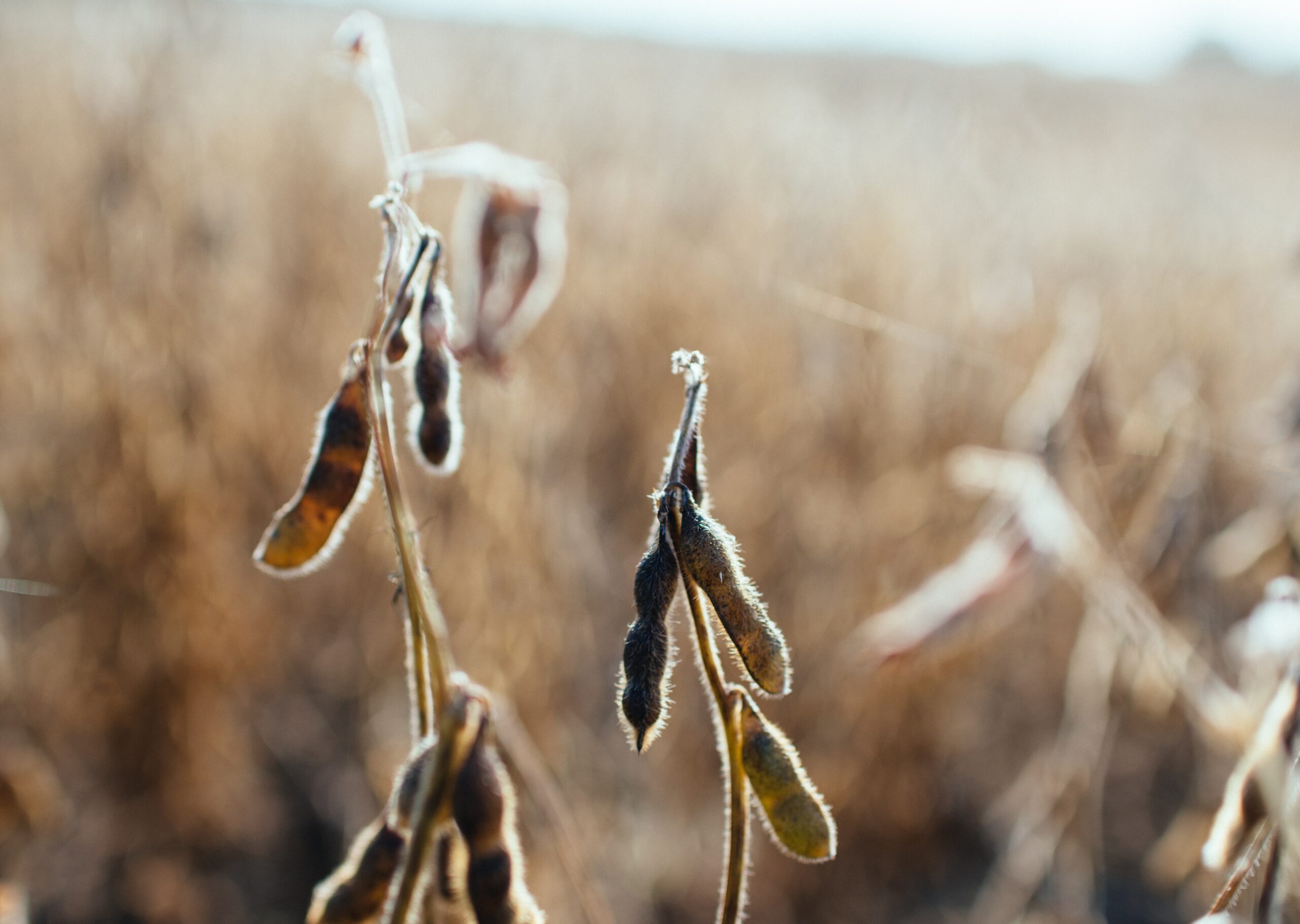
Welcome to Maryland farm country, corn and beans as far as the eye can see.


October 12

Chris and RuthRuth ran into us on the road this morning, and was nice enough to give us a tour of her chicken coop and beehives! Yay for backyard farm projects! (and yay for home-grown eggs, honey, and jam! Thanks Ruth!)


Baltimore - Timonium


Morning in Timonium brings rain, and 14.5 lovely miles of walking. We’ve got our rain gear on and our singing voices are all warmed up: “We all have a right to know, if our food has GMOs! All we want’s a simple label, for the food that’s on our table!”


October 13

Baltimore Penn Station

Welcome to Baltimore. Hard to believe I was here in a suit just two weeks ago for Natural Products Expo East. I’m pretty blown away that we’ve come so far already. Way to go, right 2 know!


The late poet and musician Sidney Lanier takes a few moments to familiarize himself with the issue. We’re pretty sure we heard a chuckle when we asked if he’d be joining us in DC on the 16th…

Unless you’re also cast from bronze, you should get out from behind that screen and join the rally at the white house! Come to lafayette park this Sunday at 12:30 PM, or march with us for the last 7 miles from Takoma Park. details, visit www.right2knowmarch.org


Right2Know March Blog #2

Friday, October 14th, 2011

From Chris Keefe, Non-GMO Project Outreach Coordinator

October 4, 2011

 
Everybody’s Kitchen serves hot breakfast and marchers chow down, while Cheryl from Transcendent Yoga leads us through some morning poses. It’s a beautiful morning in New Brunswick! Many thanks also to Will and the Bike Library for letting us spend the night!


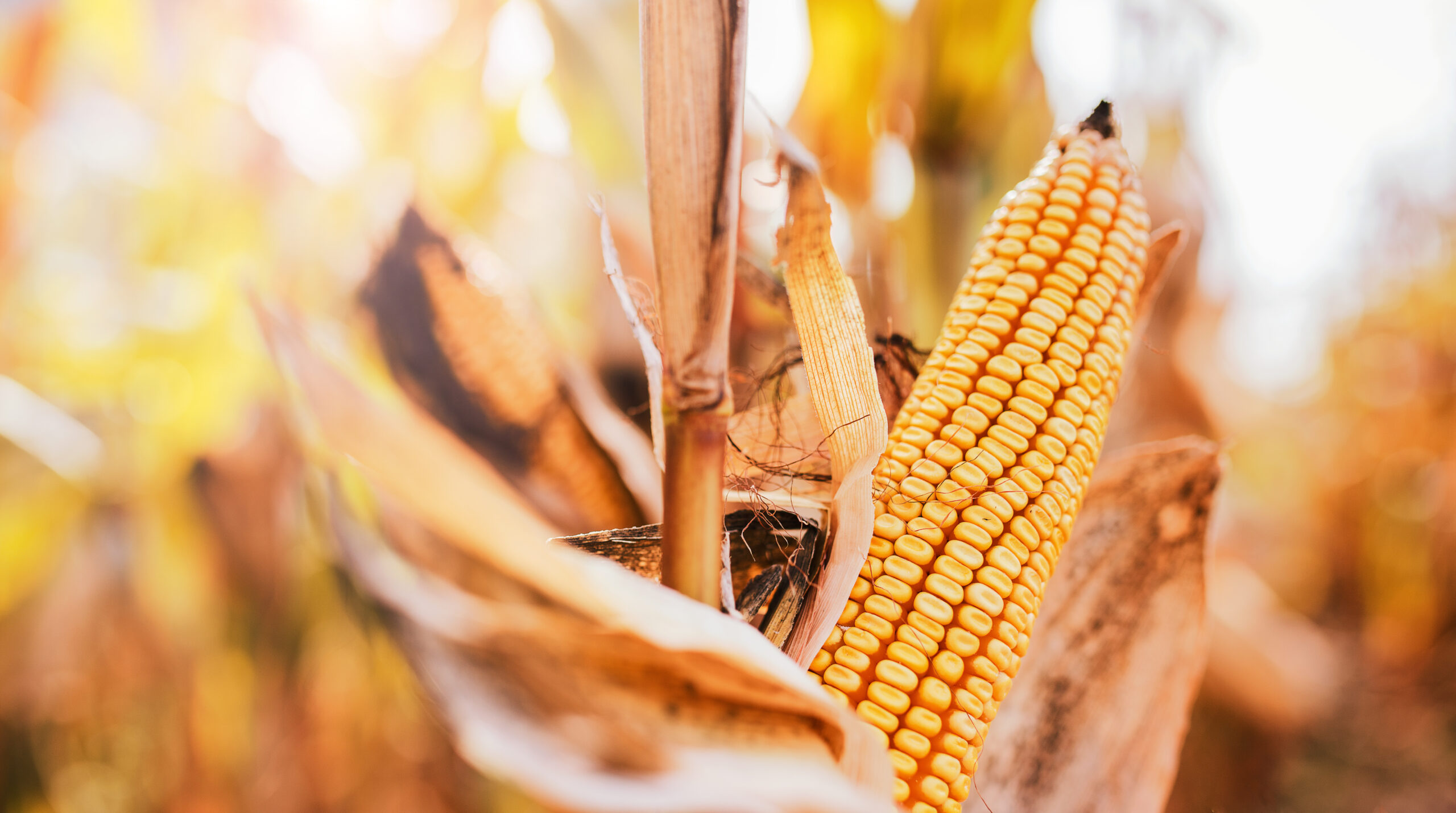
Diane Feeney, of Westfield NJ, met the march at Autumn Harvest yesterday, and was so excited she joined us for today’s walk to Princeton! Every time we pass a corn field, we are confronted by a reminder of how common genetically modified crops are in this country, and how important it is that Americansare able to choose Non-GMO for our families and our future.

Right2Know March Blog #1

Monday, October 3rd, 2011

From Chris Keefe, Non-GMO Project Outreach Coordinator

October 2, 2011

Hi everyone!  Quick update. Miss you all.

Day 1 – Manhattan – exciting day, hundreds of people at the event in Prospect Park, covered 16 miles, dropped by the UN, and had a lot of great conversations on the streets of the city.    A little rain here and there, and a my cell phone broke, but the rest of the day was a breeze.

Day 2 – Newark!
Woke up and the wind and cold rain were gone.  A wonderfully cool day, with bright sun and very comfortable temps.  Logistical hangups in and amongst some of the roughest terrain we’ll see anywhere along the route (construction, broken glass, rusty metal, overgrown walks, short sections on the sides of highway…you name it, we saw it).

The people of Newark were lovely.  A few cursed us out, but the great majority were kind, generous of spirit, and interested in the work we are doing.  They expressed gratitude in a hundred ways, and not a few joked about joining in – from grandmothers in their Sunday best, to spanish-speaking men working Sundays in the auto shop, and trying like heck to put together my unpracticed attempts to speak in their tongue.

Long story short, we made it to the site shortly after dark, showered in the new Sexy Plexi foam-blasting shower-thingy David Bronner was nice enough to bring along (which, quite frankly, was one of the best showers I’ve taken in my life), ate an amazing dinner prepared by Everybody’s Kitchen (who deserves some love on our social media.  I’ll try to send a photo or two tomorrow.  They’re taking great care of us), and broke out into a series of meetings large and small to plan the upcoming day.

Phone’s still broken, so I’m doing everything I can with phone you lent, Megan. Organizing is still underway with retailers along the route, and I’ll continue speaking with people tomorrow during my “office hours” in the van.  Monday brings excitement, but also lots of email!

My best to you all.  Wish me luck with my blisters – twenty-two miles on concrete, and they’re each about the size of Jersey itself.

UN Commission Poised to Adopt New Labeling Guidelines for GMO Food

Wednesday, May 18th, 2011

Dr. Phil Bereano

By the close of its 39th session, the United Nations’ Codex Alimentarius Commission was poised to adopt Labeling Guidelines for GMO foods that will provide some protection from the World Trade Organization for national-scale GMO-labeling programs around the world. The Non-GMO Project sponsored activist Phil Bereano’s participation in this session, and in so doing helped to ensure that the voices of the Activist and NGO communities would be heard, in an industry-dominated debate.

Find below Dr. Bereano’s report on the outcome of the session, with links to the relevant Codex Alimentarius documents:

NON-GMO PROJECT REPORTBACK
Codex Committee on Food Labeling
39th Session, Quebec, Canada
May 2011

Labeling of GE Foods

The Codex Alimentarius Commission is a somewhat obscure UN agency (joint between the World Health Organization and the Food and Agricultural Organization) which sets international norms for food safety and the food trade. It operates through a number of issue-area committees.

After nearly two decades of contentious debate, the Codex Committee on Food Labeling has finally adopted a Guideline on labeling of GE foods. Although the text is not as strong as many countries and NGOs would have liked, the adopted language does provide guidance to countries which have requested it. Since the WTO decided in 1995 that it would follow Codex rules in international trade disputes, this text would also appear to provide protection against a WTO challenge to a national labeling scheme that is consistent with it.

Officially, the text must be adopted by the Codex Commission at its July meeting in Geneva before it is final; this is generally expected to occur, but not guaranteed. As with all Codex texts, this guideline is voluntary; no country is obligated to adopt it.

The Non-GMO Project supported my attendance at this meeting, enabling me to continue the work I have been doing at Codex for over a decade.


BACKGROUND

The 19th session of the Codex Alimentarius Commission (1991) originated work on this topic “to provide guidance on how the fact that a food was derived from modern biotechnology could be made known to the consumer.” Although this seems like a very straightforward idea, and although many countries were already on the way to requiring some sort of labeling, there was tremendous resistance to such work, primarily by the USA. (It will, perhaps, not be a surprise to know that the US has historically exercised an outsized influence over the operations of the Codex.) The Codex Committee on Food Labeling (CCFL) began work on the topic in 1993. In 1996, the Executive Committee of the CAC disappointingly noted that “the claimed right to know was ill defined and variable and in this respect could not be used by Codex as the primary basis of decision making on appropriate labeling.”

For almost two decades this issue has been debated, moving forward and suffering setbacks. In recent years, a workshop in Oslo compiled a listing of various labeling actually being followed by different countries at that time (2007); subsequently, a Background Paper was prepared by Nigeria/Canada/US enumerating Codex texts that are relevant to the issue; and a Working Group met in Accra, Ghana (2008) to try to move along a text. In addition to the yearly CCFL meetings, the Chair (Paul Mayers of Canada) conducted a two-day facilitated Work Session in Brussels last November (where I was one of only 2 NGO delegates, other than the industry people) which isolated the issues and made the various concerns explicit; it agreed on a rudimentary text based on reference to existing Codex documents, to be decided upon at this meeting (under a Commission deadline to complete the work this spring). The report of that meeting is at ftp.fao.org/codex/ccfl39/fl39_13e.pdf


THE TEXT

As you can see in Appendix 3 of the above report, three options were sent forward for CCFL’s consideration—differing only in how they would present the relevant existing Codex texts—by name, by reproduction of the relevant sections only, or by reproduction of the full documents. (Many developing countries wanted the whole texts because of problems they experience trying to access materials on-line.) These portions of the document would provide the “guidance” function; it is the language of the “Purpose” section and of the “Considerations” which could provide WTO protection.

Given these materials—strenuously fought over (and Mayers was a skillful chair, both in Brussels and here in Quebec, not even favoring the Canadian position on various matters)—we were not going to get an outcome that a green NGO activist would have authored. The US was successful in avoiding any clear new rule (eg, that nations had the right to require GE labeling), insisting that existing texts were sufficient (hence the listing). But sufficient for what? Sufficient to allow labeling, which is what would provide WTO protection. But the wording is not robust.

The final text was an amended version of Option 1, with the Codex references in hyperlinks to make it easy for country officials to access. (And I argued that transparency required it as well, since the Codex site is not the easiest to navigate, as some of you undoubtedly know.) Some comments by me are below the text.

Here’s what was adopted:


Proposed Draft Compilation of Codex texts relevant to labeling of foods derived from modern biotechnology

  1. 1. Purpose:

The purpose of this document is only to recall and assemble in a single document some important elements of guidance from Codex texts, which are relevant to labelling of foods derived from modern biotechnology.

  1. 2. Considerations:

Different approaches regarding labelling of foods derived from modern biotechnology are used. Any approach implemented by Codex members should be consistent with already adopted Codex provisions. This document is not intended to suggest or imply that foods derived from modern biotechnology are necessarily different from other foods simply due to their method of production.

3. Compilation of Relevant Codex Texts

3.1 The Codex General Standard for the Labelling of Prepackaged Foods, (Codex Stan 1-1985); and particularly, Sections 3.1, 3.2, 4.1.1, 4.1.2, 4.2.2, 7.1

3.2 The Codex General Guidelines on Claims (CAC/GL 1-1979); and particularly, Sections 1.2, 1.3, Section 2 – Definition of Claim, 3.3, 3.5, 4.1, 5.1(iii), 5.1(iv), 5.1(v), 5.1(vi)

3.3 The Codex Guidelines for Use of Nutrition and Health Claims (CAC/GL 23-1997); Introduction and particularly, Sections 1.1, 1.2, 1.3, 1.4 and 1.5

3.4 The Codex Guidelines for the Production, Processing, Labelling and Marketing of Organically Produced Foods (CAC/GL 32-1999); and particularly Section 1.5

3.5 General Guidelines on the Use of the term Hallal (CAC/GL 24-1997)

3.6 Working Principles for Risk Analysis for Food Safety for Application by Governments (CAC/GL 62-2007)

3.7 Principles for Risk Analysis of Foods Derived from Modern Biotechnology (CAC/GL 44-2003); and particularly, Paragraph 19.

3.8 Guidelines for the Conduct of Food Safety Assessments of Foods Derived from Recombinant-DNA plants (CAC/GL 45-2003)

3.9 Guidelines for the Conduct of Food Safety Assessments of Foods Derived from Recombinant-DNA microorganisms (CAC/GL 46-2003)

3.10 Guideline for the Conduct of Food Safety Assessment of Foods derived from Recombinant- DNA Animals (CAC/GL 68-2008)


COMMENTS

  1. The Purpose section—the inclusion of the word “guidance” makes a direct connection back to the mandate from the Commission: “to provide guidance on how the fact that a food was derived from modern biotechnology could be made known to the consumer.” In other words, it can be read that Codex is promoting GE labeling. Thus, if there were a WTO challenge, the defending nation can argue that the Codex has authorized/ accepted/normalized the labeling of GE foods as such.
  1. The “Considerations

(a) The first sentence said, in the draft, that the parties “acknowledged” the various approaches to GE labeling. The US repeatedly objected to this language, saying that it is not the business of Codex to validate whatever any nation does or doesn’t do. Of course, “acknowledge” does not mean “endorse,” as I and others pointed out. This seems like a rear-guard ideological position by the US, and since the sense of the sentence is not really changed by the elimination, countries finally seemed to just let the US get its way;

(b) Different approaches are noted; thus, there is no labeling scheme that is OK and none that is interdicted.

(c) “consistent with Codex provisions”—this is fairly standard sort of language, and in my view perhaps the most important provision referenced is, using the words of Consumers International:

The Principles for the Risk Analysis of Foods Derived from Modern Biotechnology (CAC/GL 44-2003) clearly state that labeling can be used as a risk management option to deal with scientific uncertainties associated with the risk assessment of GE/GM foods: “18. Risk managers should take into account the uncertainties in the risk assessment and implement appropriate measures to manage these uncertainties. 19. Risk management measures may include, as appropriate, food labeling, conditions for market approval and post-market monitoring” (pars 18, 19 in CAC/GL 44-2003). [emphasis supplied]

(d) “not intended to suggest”—another sentence that was an obsession of the US. It is fine that this document doesn’t make a distinction between engineered and non-engineered foods, since many of the Codex texts referenced already do, especially those that came out of the seven years of work of the Task Force on Biotech Foods held in Japan (and included in the listing above). This is, after all, a document about labeling, not biology, so there was no need to re-argue whether GE foods posed risks; our position is that we won that debate when Codex set up the special Task Force, and confirmed the win when it adopted the special texts for GE.


  1. Other

(a) The Secretariat will publish (based on funding availability) a hard copy of this text and the full texts of all the referenced Codex documents. The possibility that subsequent text changes would affect the usability of such a booklet were addressed only generally (maybe it will be a loose-leaf format).

(b) Argentina, Chile, Costa Rica, and Mexico consistently supported the US.


Phil Bereano

49th Parallel Biotechnology Consortium