
Risk status and the non-GMO supply chain
To effectively build and preserve the non-GMO food supply, the Non-GMO Project Standard uses risk statuses for crops, ingredients and inputs based on how likely each is to be a GMO. Risk status helps third-party technical administrators (TAs) evaluate products by giving greater scrutiny to ingredients with the highest risk of coming from genetically modified sources.
The Non-GMO Project assigns risk status using various criteria, including the following:
- The current and potential uses of the GMO (e.g., used as human food or animal feed)
- The acreage planted
- The GMO's presence in the supply chain
- The GMO's potential to cross-pollinate with non-GMO crops
The Standard's risk statuses include high risk, low risk, and non-risk.
High risk
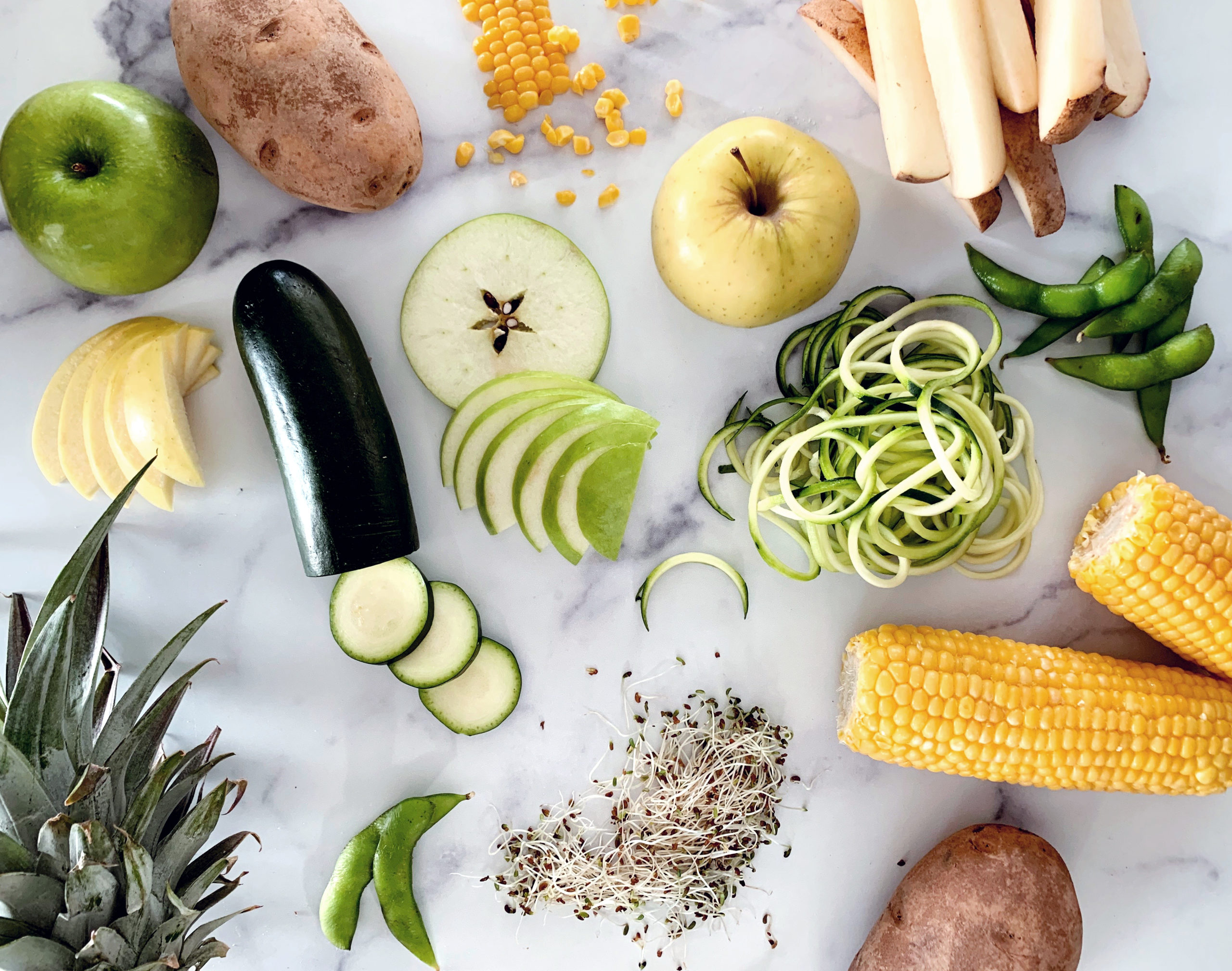
High risk is the most impactful risk status. The high-risk attribute alerts stakeholders that a genetically modified crop or other organism is ubiquitous. For example, corn is on the High-Risk List because 94% of corn grown in the US is genetically modified and GMO corn is widespread in the marketplace. Such prevalence means there is a high chance that corn-based ingredients would come from genetically modified corn unless the buyer intentionally sought non-GMO sources.
TAs spend extra time during evaluation confirming that high-risk ingredients in Verified products come from non-GMO sources where required by the Standard. When high-risk ingredients are present at 5% or more by weight in a finished product, they are called major ingredients and are subject to additional requirements to confirm that they come from non-GMO sources.
Some high-risk ingredients, such as animal-derived ingredients and microorganisms, pose unique challenges during verification.
- Animal-derived — Animal derivatives, such as meat, eggs, milk and honey, are considered high risk because GMO crops are common in animal feed. Animal derivatives are evaluated by reviewing livestock feed and requiring the feed's high-risk major ingredients come from non-GMO sources. Genetically modified animals, including cloned animals and their offspring, are prohibited.
- Microorganisms — Microorganisms, such as algae, bacteria and yeast, are living organisms. All living organisms contain DNA which can be genetically modified. For example, a new GMO technique called "precision fermentation" uses genetically modified microorganisms to produce novel ingredients. Whether or not the microorganisms are GMOs, they may be fed growth media derived from high-risk crops.





Low risk
Any living organism could be genetically modified. All living organisms contain DNA, the instructions for building and maintaining the living organism. Should a GMO developer use biotechnology to modify that DNA, the modified organism is a GMO. Therefore, the Standard considers biological organisms for which there is no existing genetically modified version to be low-risk rather than non-risk, because there is the potential to create a GMO.
Sunflowers are a good example of a low-risk crop. Because there are no genetically modified sunflowers, it is currently impossible to source ingredients such as sunflower seeds or oils from a GMO. However, a sunflower is a living organism containing DNA. Because any living organism could be genetically modified, the "non-risk" attribute is inappropriate for sunflowers. The Non-GMO Project will consider sunflowers a low-risk crop until a GMO sunflower is developed or another GMO is shown to cross-pollinate with a sunflower.
Non-risk
GM Crop Library
The GM Crop Library brings together what we know about genetically modified crops in one easy-to-search place. Look up a crop like corn or wheat to read about GM varieties, associated developers, regulatory concerns, and what is on the market today. You'll also find documented contamination incidents and the latest news, so you can stay informed as the GMO landscape keeps changing.
Our Non-GMO Project research team actively tracks risks to hundreds of crops and crop varieties. The Library is part of our work to make that research accessible to you. It prioritizes responding to significant GM developments, instances of cross-contamination and concerns expressed during our recent General Standard Revision. The repository will expand and grow.
