Non-GMO Project GMO food verification logo orange

"It's all connected." 

If we had to pick a motto for 2025, that would be it. The year in our rearview mirror saw policy shaping the food supply, and food shaping politics (it's a dance that continues into the new year and beyond). Also, shoppers and eaters made it abundantly clear (for the gazillionth time) that they want food that is more natural and less processed, and the biotechnology industry squeezed out some truly bizarre GMOs, just in case we were getting bored (we were not).

Let's take stock of the stories that loomed large for us in 2025 and set the stage for 2026.

"Of Mice and Mammoths" — and other GMOs of note.

Protecting the birthplace of corn

Ultraprocessed foods were everywhere. So were news stories about them.

Butterfly news

Literal butterfly news

Goodbye

Finally, in news that defies categorization, researcher, primatologist and activist Jane Goodall passed away this year at the age of 91. Dr. Goodall was a prolific advocate for the animals she studied and revered, and for the greater perils of environmental destruction. Her life exemplified the combined power of compassion, service and science. 

In honor of her many contributions, we close the year with her words:

“You cannot get through a single day without having an impact on the world around you. What you do makes a difference, and you have to decide what kind of difference you want to make.”

With new products appearing in grocery stores all the time, it can be hard to tell which are GMOs and which aren't. The truth is, many innovative or unusual foods are proudly non-GMO — and some are even Non-GMO Project Verified.

Here's a look at some of the most popular non-GMO foods that are often mistaken for GMOs.

Traditionally bred crops vs. GMOs: What's the difference?

The biggest takeaway here is simple: Traditional breeding and selection techniques do not result in GMOs. GMOs are created through biotechnology, which involves in vitro nucleic acid techniques or cell fusion beyond the taxonomic family. In simpler terms, this means that GMOs aren’t created by traditional breeding, like crossing two related plants or animals. Instead, scientists use modern lab methods to directly alter DNA or combine genes from very different species — combinations that don't occur naturally.

Traditional breeding and selectionGenetically modified organisms (GMOs)
Created through breeding and selection methods that combine natural processes with human expertise.Created through biotechnology, which involves manipulating the genetic material of an organism to change its fundamental characteristics.
Techniques include cross-pollination, grafting and even some lab-based techniques — but not biotechnology.Techniques include in vitro nucleic acid techniques or combining genetic material from different species in ways that overcome natural reproductive barriers.
Techniques have been practiced for ~12,000 years.Techniques have been practiced since the 1970s.
Examples: Hybrid fruits such as plums crossed with apricots (pluots) or cherries (Verry cherry), or Cavendish bananas (commonly sold in grocery stores).Examples: Corn with bacterial genes that produce an insecticide, or fast-growing Atlantic salmon with genes from Chinook salmon and ocean pout.
Table comparing traditional breeding and selection to biotechnology techniques used to develop GMOs.

As long as in vitro nucleic acid techniques or cell fusion beyond the taxonomic family are not used, the resulting plant or food product is not a GMO. You can learn more on our webpage, What Is a GMO?

"Is this a GMO?!" Misconceptions about common foods

Some of the foods we see every day are tragically misunderstood. These popular non-GMO foods are frequently mistaken for GMOs:

(Note: *Products derived from corn present a GMO risk because over 90% of US-grown corn is genetically modified. To ensure products made from corn are truly non-GMO, look for the Butterfly, which guarantees the product meets the rigorous Non-GMO Project Standard. You can learn more on our webpage, Understanding Risk Status).

Non-GMO options (without the guesswork)

If you're confused about whether a food is a GMO or not? The easiest way is to look for the Butterfly logo on the packaging. The Non-GMO Project Product Finder lists thousands of Verified products so you can shop with confidence. For a deeper dive on GMO fruits and vegetables in development, check out our Produce Pocket Guide.

FAQ

Are seedless fruits GMOs?

Most seedless fruits, such as grapes and watermelons, are developed using traditional breeding or natural mutations, rather than biotechnology. There are some seedless GMOs in development, but they are not yet commercially available (we'll keep you posted).

What is the difference between traditional breeding and GMOs?

Traditional breeding involves pairing two compatible plants to create a new variety, a natural process influenced by human intervention. GMOs, on the other hand, are made by applying biotechnology techniques to change an organism's fundamental characteristics. Biotechnology involves using in vitro nucleic acid techniques to manipulate an organism's DNA or to combine genetic material in ways that overcome natural reproductive barriers. For more, visit What Is a GMO?

Are Opal apples non-GMO?

Yes! Opal apples are produced through cross-breeding, not genetic engineering, and are Non-GMO Project Verified.

Does “modified” always mean GMO?

No. The term “modified” means processed or changed in some way that makes it more useful (i.e., modified corn starch); however, "genetically modified" refers to a GMO.

The height of summer is the perfect time for a cold treat. Whether you scream for ice cream or have a passion for plant-based, we've got you covered with chilled Non-GMO Project Verified options that are certain to satisfy. 

Why look for the Butterfly on frozen treats?

GMO corn, soy and cotton seed are key ingredients in the feed given to dairy cows. Looking for the Butterfly on animal-derived products, such as milk, cream, cheese and — you guessed it — ice cream, can be highly impactful to the non-GMO supply chain.

However, plant-based and dairy-free alternatives also pose unique GMO risks. Since 2019, various products made with GMO animal-free dairy proteins have hit the market, including cheese spreads and ice cream. The animal-free dairy proteins are made through a synthetic biology technique in which genetically engineered microorganisms produce whey or casein through fermentation. Manufacturers can also use synthetic biology to develop GMO vanillin or other flavors that can show up in frozen treats. 

Thankfully, the Butterfly makes it easy to pick more natural ice cream and frozen treats! Verified dairy products must source their animal-derived ingredients from non-GMO sources, and the Non-GMO Project Standard prohibits the use of ingredients made through synthetic biology. 

For a seasonal treat, serve one of the following ice creams and non-dairy frozen desserts with fresh summer berries, or on a berry pie or crumble.

Our favorite non-GMO plant-based options

Klimon

Klimon is a company that asked the bold question: Why does dairy get to hoard all that richness and creaminess — shouldn't people who opt for non-dairy options be just as deliciously rewarded? Klimon — which is "no milk" spelled backwards — uses a proprietary blend of pea protein, coconut oil and tapioca to deliver that richness, and even beat out all other non-dairy and traditional dairy options to win a "best ice cream" award in 2023. You can find their products at grocery stores nationwide, including Hyvee in the Midwest and West Coast 7-Eleven stores.

Nada Moo

Nada Moo promises creamy coconut-milk frozen dessert that's "certifiably good for you" — a bold claim they meet with their impressive collection of certifications. Non-GMO Project Verified Nada Moo is made with organic coconut milk. It's also gluten-free, vegan and fair trade certified. Nada Moo looks to sustainably sourced alternative sweeteners to provide sweetness without the blood sugar spike of cane sugar. With seasonal specials and one-of-a-kind flavors, maybe Nada Moo should be enjoyed year-round?

Cado

This pioneering dairy-free brand uses avocados as its base, delivering a creamy texture in a delicious dessert with actual health benefits. Cado products stand out in the frozen treat aisle due to their nutrient-density, low sugar and healthy monounsaturated fats. Cado skips the artificial additives, committing instead to organic and non-GMO ingredients. Whether you're exploring dairy-free options or looking for a healthier ice cream, Cado provides a satisfying and nourishing choice.

The real dairy deal

Alden's Organic

Based in beautiful Eugene, Oregon, Alden's Organic's product line includes both dairy and dairy-free frozen treats. On a personal note, we recently sampled their Vanilla Bean on local, Pacific Northwest strawberries, for a simple and sublime summertime treat — we highly recommend you do the same! Alden's distribution has been growing to retailers across the country but it's not available everywhere just yet — visit the online store finder to see if there's a retailer in your area.

Straus Family Creamery

Straus Family Creamery also meets the gold standard for clean labels, with both USDA organic certification and the Non-GMO Project Butterfly. This is a company that starts with a comprehensive sustainability plan, prioritizing soil health and resource conservation, and ends with some of the best dairy to ever drip down a cone. Straus offers all the classic flavors you expect from a family creamery, as well as some fresh takes like Chai Latte and Snickerdoodle. With the entire line certified kosher and gluten-free, who can say no to a scoop (or two)?

So, what are you waiting for? With dozens of flavors available in Non-GMO Project dairy and plant-based options, the sky's the limit. May your scoops be generous and your waffle cones plentiful!

A complete guide to genetically modified fish products

GMOs are present in at least 70% of grocery store products, even seafood. If you're a savvy shopper, you may wonder how a seafood product could have GMOs. Don't fish come directly from the ocean?

Unfortunately, it is not that simple. 

Understanding how to identify hidden genetically modified ingredients in seafood is essential for the natural shopper.

Common GMO ingredients in seafood products

Many common fish products contain added ingredients, which may be derived from GMOs. California roll lovers in particular should be aware of surimi's GMO ingredients, as traditional varieties often contain genetically modified soy, sugar and other additives. When comparing Non-GMO Project Verified surimi to conventional options, the difference in high-risk GMO ingredients becomes apparent.

Example 1: Non-GMO Project Verified SurimiExample 2: Surimi that is not Verified
ALASKA POLLOCK, WATER, PEA STARCH, CANE SUGAR, SEA SALT, NATURAL FLAVOR, POTASSIUM CHLORIDE, COLOR ADDED (LYCOPENE FROM TOMATOES) SURIMI 40% (FISH PROTEIN, SUGAR, STABILIZER: POLYPHOSPHATE), WATER, POTATO STARCH, EGG WHITE, RAPESEED OIL, SALT, SUGAR, FLAVORINGS (CONTAINS CRUSTACEANS AND MOLLUSKS), SOY, STABILIZER: CARRAGEENAN, MONOSODIUM GLUTAMATE, FOOD COLORINGS: TITANIUM DIOXIDE, PAPRIKA OLEORESIN, CARMINE

How do the two products measure up?

The first example meets the requirements of the Non-GMO Project Standard, North America's most rigorous certification for GMO avoidance. The manufacturer chose ingredients from non-GMO sources instead of more common GMO options. 

The second example contains several ingredients that may be derived from GMOs, according to USDA data. 

Read about high-risk GMO ingredients

Explore why potatoes joined the High-Risk List

These are the obvious GMO risks, but they aren't the only ones. Other ingredients, such as flavorings and coloring, could also come from GMOs. While the fish used as the primary ingredient in surimi does not appear to be GMO, we've seen several varieties of genetically engineered fish entering commercial markets over the past decade. 

AquaAdvantage salmon: The first genetically modified fish for human consumption

Fast-growing AquaAdvantage salmon was engineered using genetic material from three different types of fish: Atlantic salmon, Chinook salmon and the eel-like ocean pout. It was the world's first genetically modified animal approved for human consumption.

AquaAdvantage salmon was farmed in land-based facilities, first in Prince Edward Island, Canada, and later in Albany, Indiana. It was sold in Canada beginning in 2017 and entered US markets in 2021. 

However, market availability doesn't indicate acceptance. AquaAdvantage salmon was not ultimately a market success, and the company behind the GMO fish ceased production and shuttered facilities in 2024.

Gene-edited seafood: GMO fish enters the market in Japan

A Japanese start-up developed three genetically engineered fish in collaboration with various academic and governmental institutions. All three GMO fish are the product of genome-editing techniques to promote faster growth. Unlike stricter regulations for transgenic GMOs, gene-editing approval pathways in Japan are streamlined to allow faster market introduction. 

Japanese gene-edited seafood includes modified red sea bream and tiger puffer fish, developed through genome-editing techniques. A third gene-edited fish, a Japanese Flounder, was announced in October 2023, but does not appear to be publicly available at this time. You can read more about these gene-edited fish in our New GMO Alert.

Look for the Butterfly of the sea

The Non-GMO Project Standard is North America's most rigorous certification for GMO avoidance. In fact, the Butterfly label represents one of the only certifications that evaluates the feed of the animal-derived products it verifies.

Non-GMO seafood shopping requires attention to both the main fish ingredient and added components that might contain genetically modified organisms. Or, simply look for the Butterfly when shopping for seafood to ensure the products you buy meet the highest standard for GMO avoidance.

With more GMOs poised to enter the market, monitoring the latest developments is increasingly important for consumer transparency. The Non-GMO Project research team continues to track the development of GMO seafood products, including several lab-grown and cell-cultured fish and shellfish that may be produced through genetic engineering. Sign up for the New GMO Alerts to stay up-to-date.

FAQ

What seafood products typically contain GMOs?

Multi-ingredient products may contain GMOs as added ingredients, such as colors, flavors or other additives derived from GMO corn, soy or canola. The only GMO fish available in Canada and the US, AquaAdvantage salmon, is no longer in production, however there are several gene-edited fish available in Japan. 

How can I tell if a seafood product contains GMOs?

In the US, some products made with GMOs must be labeled under the USDA's National Bioengineered Food Disclosure Standard. However, the bioengineered (BE) food labeling law leaves out many products of genetic engineering. The best way to avoid GMOs is to look for the Butterfly. Find out more about the bioengineered food labeling law.

Is farmed salmon genetically modified?

In Canada and the US, "farming" facilities for genetically modified salmon closed in 2024. 

"Each seed held a trace of life that would spark when given water, when given the appropriate conditions. Everywhere I looked, I saw how seeds were holding the world together."

Diane Wilson, author of "The Seed Keeper"

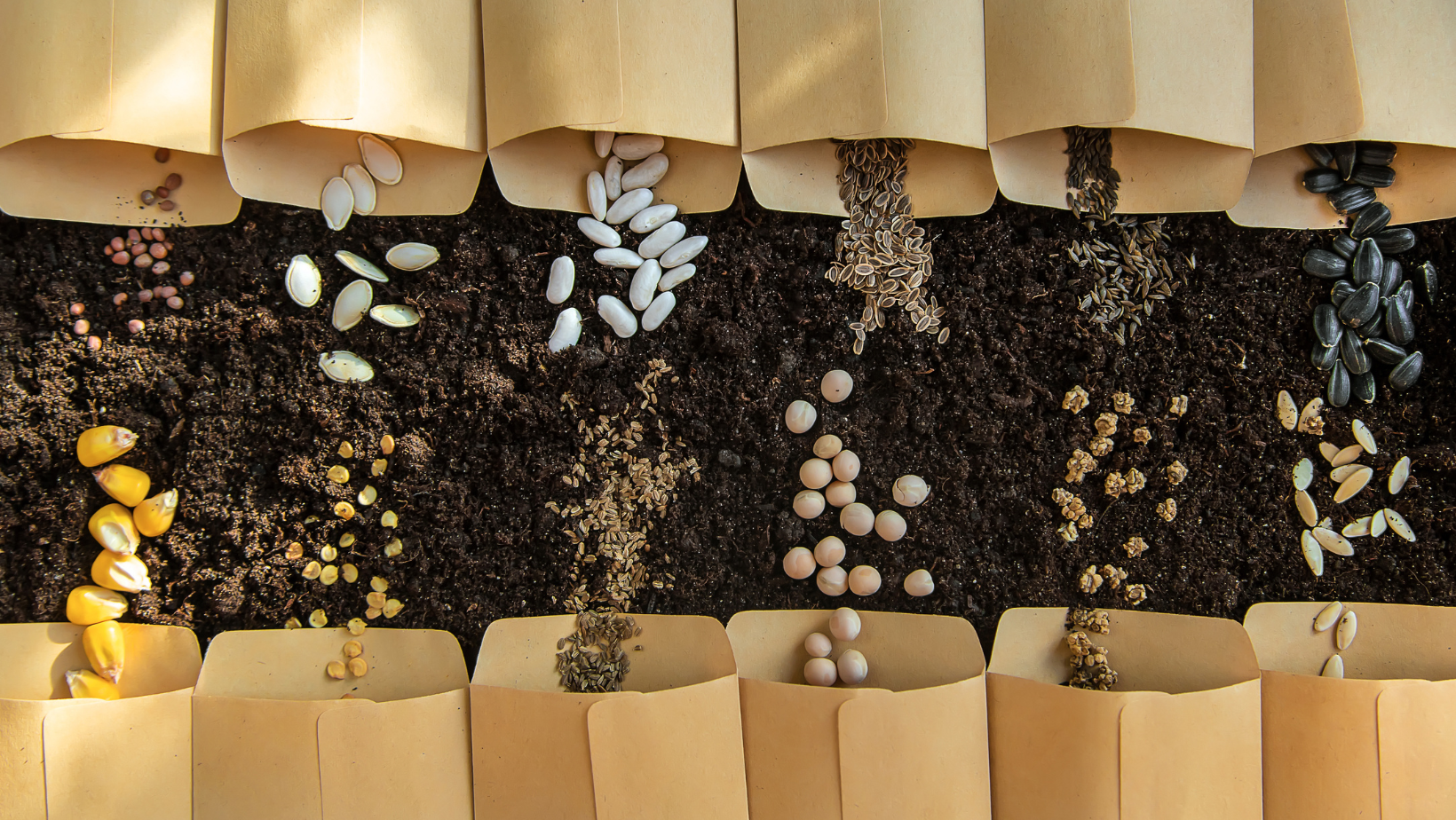
Take a moment to think about what you've eaten so far today and what kinds of fabrics you're wearing. How much of that food or fiber came from plants? And how many of those plants start with a seed? 

Most raw ingredients we use to meet our daily needs start with seeds, tiny but powerful players that deserve to be celebrated. Each seed contains all the information necessary to grow into an entire plant, providing food and shelter and even producing the next season's seeds. Over the years, seeds adapt to their environment, the changing weather cycles and soil types, becoming better candidates for success in their little corner of the world.

Since humans began practicing agriculture some 12,000 years ago, we've helped to shape the Earth's seeds — and been shaped by them. However, in the last century, private interests, corporate consolidation and some questionable court rulings have changed how seeds are grown, saved, shared and sold. 

Who owns seeds?

"It would be 'unreasonable and impossible' to allow patents upon the trees of the forest and the plants of the earth."

US Commissioner of Patents, 1889

Patents are a kind of intellectual property right meant to promote innovation by providing legal ownership to the inventors of new and useful discoveries for a limited period. Different classes of patents apply to different types of inventions. The largest category is "utility patents," which can apply to "any new and useful process, machine, manufacture, or composition of matter, or any new and useful improvement thereof." Many of the appliances, gadgets and gizmos we use daily were covered by utility patents.

Until the 20th century, living organisms such as plants and seeds were considered products of nature rather than products of human ingenuity, making them ineligible for utility patents. However, agricultural products are difficult to classify: They are products of nature and human expertise and stewardship. Plants and seeds operate on a natural model of abundance that defies regulation. A person who plants one or two seeds could harvest dozens or hundreds more by the end of the growing season. The legal system has struggled to fit the square peg of agriculture into the round hole of patents.

In 1930, the Plant Patent Act provided intellectual property rights for asexually-reproducing plants propagated through cuttings, grafting or producing bulbs or runners. Plants that reproduce sexually by generating seeds (including many of the most common food crops) weren't addressed until the Plant Variety Protection Act of 1970 (PVPA). 

The PVPA walks a fine line: While it offers protection to seed breeders, the Act also acknowledges that continued innovation depends on sharing genetic resources. To keep the practice of plant breeding moving forward and the critical work of farmers feeding and clothing the rest of us, neither plant patents nor plant variety protections provide the exclusivity of utility patents.

How GMOs changed the seed industry 

In the 1970s, microbiologist and General Electric employee Dr. Ananda Chakrabarty created a genetically engineered bacteria to break down crude oil. Dr. Chakrabarty sought to patent his invention, which he believed could be useful in cleaning up oil spills. However, his invention inadvertently set the stage for privatizing the global seed supply. 

At first, the US Patent Office denied Dr. Chakrabarty's submission because bacteria are living organisms, thus considered products of nature. Plant patents were the only patent class that permitted living organisms, and the GMO bacteria didn't fit in there. Ultimately, the Supreme Court decided that although Dr. Chakrabarty's bacteria was a living organism, it was no longer in a state of nature because of the genetic modification to its DNA. Genetic engineering qualified a living organism as a "new composition of matter," making it eligible for a utility patent. 

The Supreme Court decision was the first step in privatizing the global seed supply. Utility patents were soon applied to GMO crops and seeds. Private ownership of agricultural products and the chemicals that go with them has generated enormous profits for chemical corporations, and utility patents aren't just for GMO seeds anymore. Today, 60% of the world's seed supply is owned by just four chemical companies.

Protecting GMOs with utility patents reveals a kind of duplicity in the rhetoric of the chemical companies that create them: To investors and patent offices, companies emphasize the novelty and innovation of GMOs to secure funding and utility patents, while to regulatory boards and the general public, they argue the opposite, marketing GMOs as an extension of traditional breeding techniques. 

To one audience they cry, "It's totally new!" 

To another, "It's totally natural!"

It's no wonder chemical companies face a skeptical public.

Privatization and the food system

Private ownership of the seed supply has vast implications for food security. It takes a commonly held resource, seeds, that were developed over millennia by countless unnamed farmers and breeders, turning it into a vehicle for wealth accumulation by the patent holder. In many cases, patents prevent farmers and breeders from saving, selecting or improving on seed lines, locking genetic material behind an intellectual property firewall. As one chronicler of agricultural history notes, "farmers no longer buy seeds, they rent that seed."  

Some of the most powerful corporations in the world routinely harass farmers, seed savers and breeders around the globe if they try to operate outside the monopolized and privatized seed supply. Harassment can come in the form of legal action, as has been extensively reported by the Center for Food Safety. There are also cases of casual intimidation, such as when a major corporation mailed baseless patent infringement notices to small seed companies across the US; or, in another instance, when corporate lawyers rebuffed good faith efforts by small farmers to resolve GMO contamination risks.

Partners in diversity

People have been planting, growing, harvesting and selecting seeds for around 12,000 years, giving rise to countless new crop varieties. All the different kinds of crops, from wild relatives to natural varieties to more recent cultivars, add diversity. Seed diversity is the difference between fortune and famine. A single seed will generate exponentially more for a grower to plant in the future. 

However, the converse is also true: When we rely on too few crops or too few varieties of crops, our agricultural systems become precarious and could be wiped out by a single pest infestation or disease. In a diverse system, many different crops are grown together, each with its own strengths and weaknesses. The variety makes it harder for a single threat to cause devastation. 

Diversity also helps crops adapt to extreme weather events, which occur more frequently as the climate changes. Through each growing season, seeds continue to adapt to the particular microclimate, soil conditions and external stressors they experience. Skilled farmers and seed breeders carry the strongest seeds forward, encouraging helpful traits such as tolerance of drought or poor soil and the ability to grow on uneven terrain.

When it comes to seed and food, diversity is most definitely our strength.

Use it or lose it

"More than 90% of crop varieties have disappeared from farmers' fields." — United Nations Food and Agriculture Organization.

However, diversity must be nurtured. During the last century, the rise of industrial-style agriculture has undone a shocking amount of the previous 12,000 years of work. An estimated 75-90% of plant genetic diversity has been lost because farmers were encouraged to give up locally adapted, regional seeds in favor of hybrids and GMOs, which can't be saved. A global market of privately owned, unsavable seeds makes farmers dependent on external inputs, supply chain disruptions, and corporate greed.

What you can do

Promoting farmers' rights and seed sovereignty is essential to protecting biodiversity and creating a resilient and healthy food system that works for everybody. Many organizations — including the Non-GMO Project — are working to restore farmers' rights. An obvious first step is to avoid GMOs by looking for the Butterfly — after all, everyone has the right to choose how their food is made. 

You can also explore the wide world of seeds online. We're big fans of the Organic Seed Alliance website, which offers fantastic information for home gardeners interested in growing and saving seeds. Here are some additional resources:

For all our craftiness and innovation, it's worth remembering that the seeds didn't start with us, nor will they end with us. We hold them in our hands for a while. If we're truly lucky, we watch them grow.

Many shoppers who prefer to avoid GMOs consider the produce section to be the easiest part of the grocery store to navigate. For much of the past 30 years, that's been true: The vast majority of GMO acreage produces commodity crops such as corn, soy, sugar beet or canola, which end up as ingredients in highly processed foods in the center of the store. The few GMOs in the produce department – papayas and some zucchini/summer squash – were pretty easy to spot. 

However, that's starting to change. In the last few years, GMOs are proliferating among the fruits and veggies, including non-browning apples and potatoes, pineapples with pink flesh and bioengineered sweet corn varieties. GMO developers are more active than ever before in the produce section, using new genomic techniques to engineer consumer-oriented traits such as seedlessness.

Luckily, there are several non-GMO seedless options on the market, developed through traditional breeding and selection rather than genetic engineering. For example, seedless grapes predate GMOs by at least 400 years, and seedless watermelons were developed through targeted mutagenesis, which is not a biotechnology technique. You can find out more about these non-GMO foods here.

To avoid GMOs and get your recommended servings per day, keep a copy of our printable pocket guide to GMOs in the produce section handy. Plus, keep an eye out for these exciting non-GMO seedless fruit options — all proudly developed without genetic engineering.

When life gives you lemons, skip the seeds

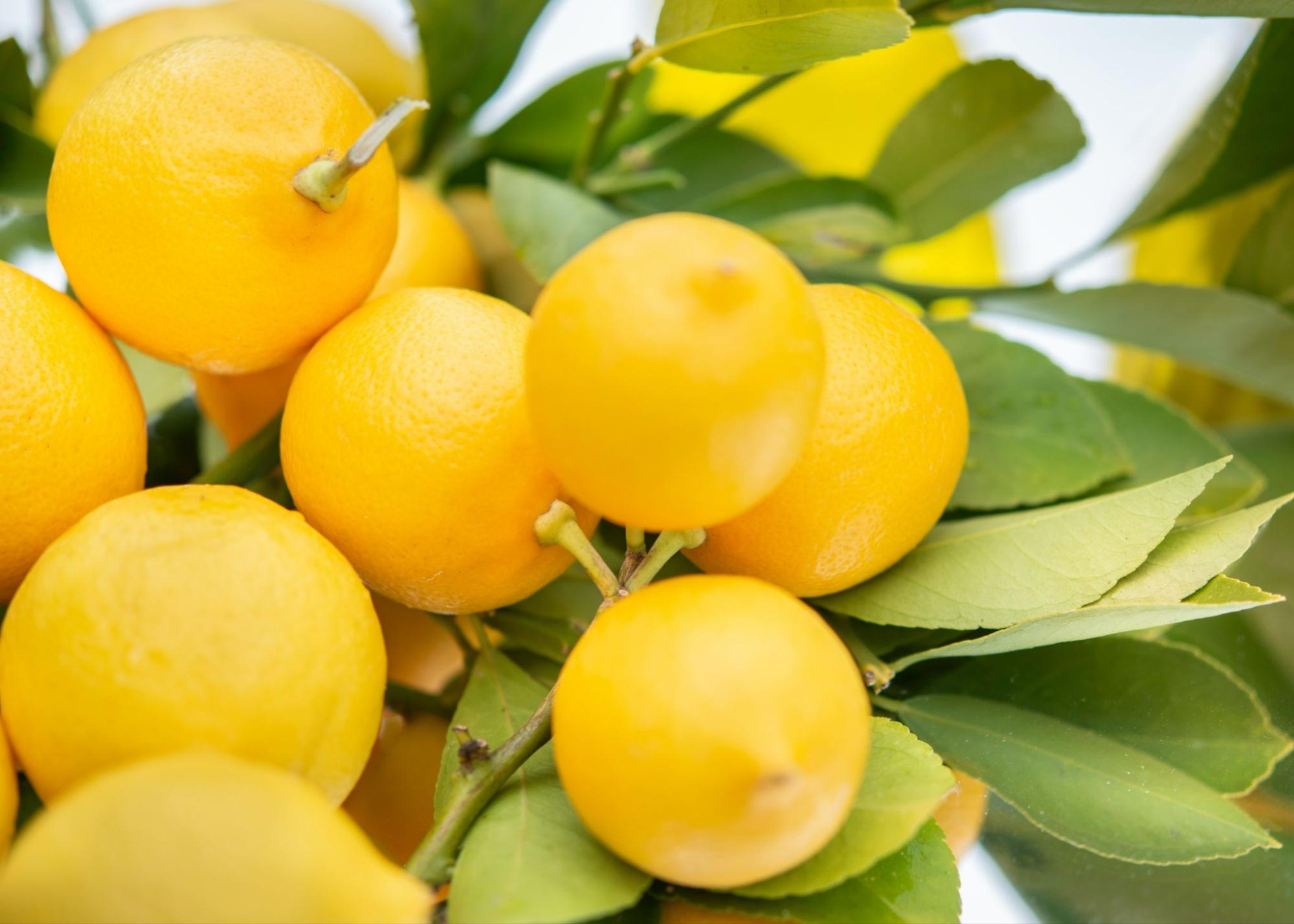
Are you tired of fishing lemon pips out of your iced tea? Non-GMO Project Verified Wonderful seedless lemons match the taste and juiciness of regular lemons, without the pips. They were developed by an Australian citrus farmer using traditional breeding techniques. 

Lemon trees typically need to grow for a few years before bearing fruit, which means the company behind the seedless lemon is working to scale up production to meet demand. However, there are at last enough productive groves in California and Mexico for you to find them at a store near you. 

Meet the stoneless "plerry"

Did you know plums and cherries are related? Both come from the genus Prunus, and the hybrid of the two is called the Verry Cherry Plum — despite the familiar-sounding name, they are distinct from the existing fruit we think of as a cherry plum. 

Verry Cherry Plums are the size of a smallish plum, with a sweet and juicy taste and nectarine-like texture. They were developed in California and are Non-GMO Project Verified. 

The most adorable snack

This cute little fruit is actually a hybrid of a lime and kumquat that goes by the product name "Lemon snack." Lemon snacks are completely edible, peel and all, with lots of antioxidants to protect cells and support immune function. They are handy for use in drinks or cooking, and, with lower acidity and a sweeter taste than a regular lemon or lime, make delightful snacks all on their own. 

Lemon snacks are grown in Italy and currently available only in Europe. 

Keep in mind, as GMO developers set their sights on modifying fruit and vegetable varieties, it's a good idea to stay curious about new products. That's why the Non-GMO Project dedicated researchers monitor new GMOs on the market. We'll continue to highlight non-GMO innovations and keep you informed of the latest developments.  

With biotechnology's traits, targets and techniques rapidly evolving, it’s more important than ever to look for the Butterfly. 

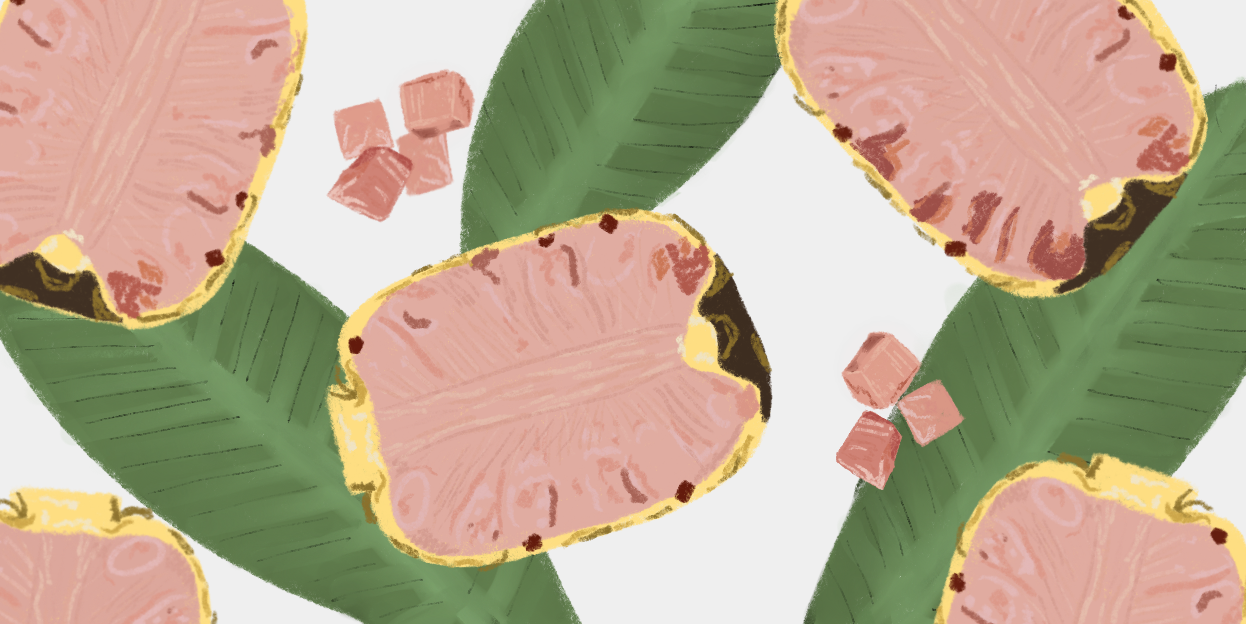
On October 13, 2020, fruit giant Del Monte Fresh released its Pinkglow pineapple, which is genetically modified to produce pink flesh. With price points as high as $29-39 depending on your location, Pinkglow is beyond many consumers' budget. However, exclusivity suits Del Monte just fine, as Pinkglow is mostly marketed for its novelty and social media appeal.

Why is it pink?

Del Monte reportedly worked on the pink pineapple for 16 years before its release. Already a dominant force in the fruit industry, they were looking for "a niche product that could expand the market for pineapple." The rest of the world's pineapples, including the millions already grown and sold by Del Monte each year, are yellow-fleshed. 

Pinkglow's appeal seems to rest largely on its social media potential. A 2024 pineapple giveaway required entrants to like photos of the hashtagged GMO on Instagram and tag three friends in the comments. The product's website encourages you to "become the envy of your friends and followers with this highly sought-after delicacy. Pinkglow™ will look phenomenal on whatever social media platform is en vogue by the time you read this."

How is it pink?

Pineapples naturally turn yellow as they ripen due to the production of beta-carotene, which is controlled by an enzyme in the pineapple. In Pinkglow pineapples, the genetic material is modified so that the enzymes that make the flesh yellow are suppressed, resulting in a pinkish pigment.

Pineapple joined the Non-GMO Project Standard's High-Risk List in 2019, concurrent with Pinkglow's market entry and the release of the USDA's List of Bioengineered Food. A high-risk designation indicates which ingredients are more likely to come from a GMO, which triggers greater scrutiny during product evaluation. You can find out more on our website, Understanding Risk Status.

A nonsensical indulgence

Pinkglow pineapple was launched into an environment very different from the one in which it was conceived. Remember, its gestation period was sixteen years. The product launch coincided with the height of the COVID pandemic, when daily life for many people had been upended entirely. Against a backdrop of chaos and uncertainty, Del Monte doubled down on whimsy, introducing a prohibitively expensive product at a time when food insecurity doubled in a single year. 

Some might criticize Del Monte's tone-deafness, elitism, or the vast resources that went into Pinkglow's development. Setting aside the cost of a single Pinkglow, years and fortunes were spent on a pink pineapple. Making GMOs isn't easy. It takes time and tenacity to force an organism to accept our crude interventions. A good portion of those sixteen years was nature, resisting. That's an astounding investment in what is ultimately an accessory that's ripe for social media.

Every human action is ultimately bound, to some degree, by limited resources. Whether that limit is what's in our bank accounts or kitchen cupboards, how we spend our talents or the tasks that fill our lives — these things are all precious resources. Let’s spend them wisely.

As gardening and growing seasons appear on the horizon, folks with green thumbs ask how worried they should be about GMOs. Our advice: Be aware, but not worried. A little knowledge and informed choices are all you need.

Since the 1990s, GMOs have become a standard feature on North American farmland. However, the average home gardener was unlikely to accidentally buy and plant GMOs, which came with restrictive use agreements.  

That's starting to change.

In 2023, the FDA completed its review of the genetically modified purple tomato, paving the way for a US launch. The purple tomato is the first GMO to be available and marketed toward home growers — a departure from the restrictive user agreements that govern previous GMOs. While its availability has been limited, seeds are for sale online without restrictions on saving seeds. 

If you prefer to keep your home garden non-GMO, there is a rainbow of traditionally bred tomatoes in delightful colors. Or, make the most of the antioxidant benefits of purple-hued foods by growing and eating cherries, blackberries, blueberries, pomegranates, cabbage, eggplant … the list goes on!

Beyond seeds

The GMO issue is about more than just seeds. 

The biotech business strategy also involves product bundles. For example, some of the earliest GMO crops were engineered to tolerate herbicide applications — a savvy combo that helped chemical companies sell more weedkillers, even though the environmental costs (think, lost plant diversity, reductions to beneficial insects and soil microorganisms) have been steep. Since GMOs came onto the scene in the 1990s, pesticide use has skyrocketed across American farmland, proving that the chemicals that go with GMOs can be as impactful as the seeds themselves.

GMOs can also be found in garden products containing high-risk crops such as soy or alfalfa meal. Animal-derived ingredients, such as bone, blood or feather meal, are another potential GMO risk because they often come from animals that ate a GMO diet.

Grow your own … soil?

A great way to save money, reduce waste and dodge questionable ingredients in garden products is to make your own soil amendments through composting. The best method for making the most of your yard waste and food scraps depends on how much time and space you have at your disposal. Here are some of our favorites:

Are hybrid seeds the same as GMOs? 

Watering plants in garden

The experts at Botanical Interests provided this helpful primer on the difference between hybrid seeds and GMOs. While the whole article is well worth a read, here's an abbreviated version.

GMOs are living organisms that have been subjected to biotechnology. Biotechnology techniques are used to alter an organism's DNA in the hopes of changing its fundamental characteristics. Biotechnology is different from traditional crossbreeding. 

In traditional crossbreeding, humans take a process that already happens in nature and replicate it in a more controlled environment — hybridization is one of those processes. If two plants from different but related species cross-pollinate, the fertilized flower will produce hybrid seeds that display a combination of the traits it inherited from each parent. Humans have learned to orchestrate this process intentionally  — the "more controlled environment" part of traditional crossbreeding. 

The results of hybridization abound. For example, through hybridization, humans developed a wide variety of Brassica crops — broccoli, cauliflower, kale, collards, cabbage, bok choy and kohlrabi — from Brassica oleracea plants. "They are the same species," say the experts at Botanical Interests, "but careful cross-pollination and time have enabled humans to gradually transform these into the variations we now recognize as a multitude of vegetables. These changes took place over hundreds, perhaps thousands of years." 

The development of maize from wild teosinte is another example of hybridization. All the corn varieties in existence today were developed from a wild crop by skilled Indigenous farmers and plant breeders. Today, this remarkable accomplishment provides a nutritious staple to a third of the world's population.

A gardener's glossary

Cultivar — A cultivar is a group of plants bred through human intervention for desired traits. The word "cultivar" is short for "cultivated variety." Cultivars may be propagated reliably through cuttings or grafting, but are unlikely to retain the characteristics of the parent plant if grown from seed.

"F1" — This term appears frequently in seed catalogs. "F1" indicates a hybrid seed, the first generation following the successful cross-pollination of the two parent plants. The cross-breeding process can continue: Offspring of F1 hybrids would be called F2 hybrids, indicating that they are part of the second generation, and so on. As a hybrid, "F1" seed will be stable for one generation, but the seed those plants produce will not remain "true to type," retaining the characteristics of the original parent plant.

Heirloom — An heirloom plant variety is a named, open-pollinated strain that either pre-dates modern breeding programs or has not been altered by them. As a general rule of thumb, heirloom varieties have undergone open-pollinated reproduction for more than 50 years. 

Hybrid — A hybrid is a new variety of plant that is made through crossing two different parent plants of related species. Home growers most often encounter hybrids that were purposefully created by seed breeders. The increased genetic diversity of a hybrid can result in more abundant crops, a phenomenon known as "hybrid vigor." However, if you want to save seeds season after season, remember that hybrid plants grown in your garden won't produce seeds that are "true to type" because the genetics aren't stable. 

Landrace — A landrace crop is a cultivated variety, or cultivar, that has evolved over generations of farmer selection. Landrace crops contain great genetic diversity and can display a range of traits. They will thrive in the bioregion where they were produced — a quality called "local adaptation." Their genetic diversity makes them a gold mine for traits such as drought tolerance or pest resistance. Landraces are constantly changing in response to their environment and the decisions of the farmer who grows them.

Open-pollinated — Open-pollinated plants are propagated in a field, the pollen carried by wind or pollinating insects and animals to neighboring plants. Open-pollinated plants grown in isolation will produce seeds that can be saved year to year, whereas open-pollinated plants allowed to cross with others of their species will produce hybrids (see hybrid). Open-pollinated seeds are better than hybrids if you're interested in saving seeds produced in your home garden and replanting them next year.

Variety — A variety is a group of plants that has evolved due to natural selection rather than human intervention. The plants have naturally evolved to exhibit a common set of characteristics, and those characteristics vary from the rest of their species. Plants grown from the seed of a species variety will often produce exact copies of the parent plant. 

Saving and sharing seeds is a fascinating, empowering and nourishing practice. You don't have to be an expert to give it a try. Plus, every expert started out as a curious amateur — why not you?

Indigenous author and seed keeper Diane Wilson taught us a valuable rule of thumb: Save the best seeds from the strongest plants in your garden for replanting the following year. Seeds that are stunted, malformed or from weak-looking plants can be given to wildlife to support their nourishment, and the middle-quality seeds go toward feeding you, plus friends and family. This simple practice ensures the strongest genes are carried forward to the next generation and that our actions nourish all life with whom we share this beautiful place.

Get started today by finding Non-GMO Project Verified seeds through our online Product Finder. Happy growing!

Today, eaters can choose from a wide variety of alternatives to traditional dairy products. Vegans and flexitarians alike can indulge their cheese or yogurt cravings with a version made from nuts, grains or legumes. More recently, a new alternative showed up on grocery store shelves: animal-free dairy products made through genetic engineering. When compared with traditional dairy or existing non-dairy alternatives, animal-free dairy is a different creature altogether.

Animal-free dairy products go by many different names. You might see them described as "whey protein," "milk-identical" or "dairy-identical" proteins made through "precision fermentation." With all the naming confusion, it's crucial to call animal-free dairy what it is: a GMO.

GMO animal-free dairy products are made through a genetic engineering technique known as synthetic biology, or "synbio." The term describes a variety of genetic engineering techniques, including genetically engineering microorganisms to produce novel compounds through fermentation. The proteins are separated from the growth medium and combined with flavorings, other proteins, colorants, texturizers, processing aids or other additives. Synbio animal-free proteins have been used to make non-dairy GMO ice cream, milk, cheese spreads and yogurt.

Real milk? No whey!

Marketing for animal-free dairy products emphasizes the similarities to traditional dairy. Nature-identical, biologically identical, molecularly identical — the industry paints it as milk without the cows. However, these claims can be inaccurate and misleading.

In 2024, the Health Research Institute (HRI) analyzed Bored Cow's animal-free dairy milk, which is made with a synbio protein marketed as a "milk-identical protein." When they compared their results to natural cow's milk, the results were striking:

HRI also found approximately 92 compounds that could not be identified through existing scientific literature. The unknown compounds are not only absent from natural cow's milk, they have likely never been part of the human diet.

Unregulated, unlabeled and unnatural

Despite containing fungal proteins that have never before been part of the human diet, GMO animal-free dairy products are entering the market virtually unregulated. The US Food and Drug Administration allows a company to self-determine GRAS status for ingredients. "GRAS" stands for Generally Recognized As Safe and is applied to foods that have a long history of safe consumption. For example, people have been eating oats since long before the FDA came along. With all that history behind us, oats are considered generally safe. It's the same idea here.

But there's a flaw in the logic. The companies that make animal-free dairy proteins have declared their products "generally safe" based on the idea that we've been eating natural milk proteins, whey and casein, for a long time. But the proteins in animal-free dairy aren't necessarily whey and casein. HRI's analysis of Bored Cow found that most of the proteins were fungal proteins, which don't have GRAS status. 

Synbio animal-free dairy products aren't likely to be labeled as GMOs because the GMO microorganisms used to produce animal-free proteins are supposedly removed from the final product. The 2022 Bioengineered Food labeling law only requires disclosures for food with detectable modified genetic material in the finished product (exemptions and loopholes further reduce the BE labeling law's effectiveness). To add to the confusion, animal-free dairy brands are even showing up in natural foods spaces. The synbio industry's participation at Natural Products Expo West, the premier natural products convention, sparked controversy

The Non-GMO Project's stance is clear: GMOs are not natural, and products made with them do not belong in natural products.

A greener footprint? Not necessarily.

GMO animal-free dairy is often cast as a cleaner, greener environmental option than traditional dairy. The industry's climate-friendly reputation likely opened the door to synbio brands as natural products in the first place. However, the comparison rests on incomplete environmental assessments and selective data points.

The products rely on energy-intensive techniques and GMO commodity crops. The industry's energy-use assessments tend to ignore necessary inputs that originate beyond the factory's loading dock, effectively externalizing the true cost, and little information is provided about waste disposal. What happens to the billions of GMO microorganisms after they are filtered from the milk-like beverage? An accidental release of GMO microbes could have environmental impacts, community impacts, or affect the health and safety of workers and consumers. 

Critics of the technology have called animal-free dairy "as bad or worse than [conventional] animal agriculture." However, limiting our options to synbio or conventional and concentrated dairy production entirely overlooks the regenerative movement's potential. Animals are essential for recycling nutrients into farmland, building healthy soil and robust crops. Regenerative dairy offers a hat-trick of benefits: high animal welfare standards, improved soil health and carbon sequestration and a more nutritious end product.

Breaking news: Neither cow, nor milk, actually free.

With grocery prices front-of-mind for many eaters, how do the economics of GMO animal-free dairy measure up? At the time of writing, Bored Cow animal-free dairy milk costs around $5/quart, while a gallon of natural, organic milk costs $7-9 — making the synbio product 2-3 times the cost of organic milk. Even top-tier regenerative dairy farms, the operations that build soil health and draw down the atmospheric carbon that is warming the planet, produce natural cow's milk at a lower price than the synbio options.

The synbio industry has been the subject of staggering investment in the last few years. The Non-GMO Project's dedicated research team tracked a sharp increase in activity in the field, driven in large part by an influx of capital from the tech sector. According to author and industry expert Errol Schweizer, "Just about all of this new food technology is heavily funded by tech oligarchs, venture capitalists, or the occasional celebrity." Schweizer, who also serves on the Non-GMO Project's Board of Directors, argues that investors are focused on monopolizing emerging markets. "Think: Uber, Doordash, Instacart, Amazon. The investors throwing billions of dollars at such enterprises are not altruists, even if some are motivated by animal rights or climate change." 

We've written before about patenting and GMOs' impact on the global seed market (click here to learn more). If history is about to repeat itself, it's worth considering the consequences of a single company "owning" the formula for a staple such as milk.  

Clearly, we have as many questions about precision fermentation as we have answers. At the Non-GMO Project, we believe curiosity is a virtue, and empowering people to make the right decision for themselves is work worth doing. We'll keep you posted as more information on animal-free dairy comes to light.

crossarrow-right linkedin facebook pinterest youtube rss twitter instagram facebook-blank rss-blank linkedin-blank pinterest youtube twitter instagram